(678) 999-8212

There's a moment most of us know well. You pull on a pair of heels that look incredible, take three steps out the door, and immediately start doing mental maths — how far is the car, how long until I can sit down, is there any chance I can get away with flats?
That's not wearing shoes. That's managing them.
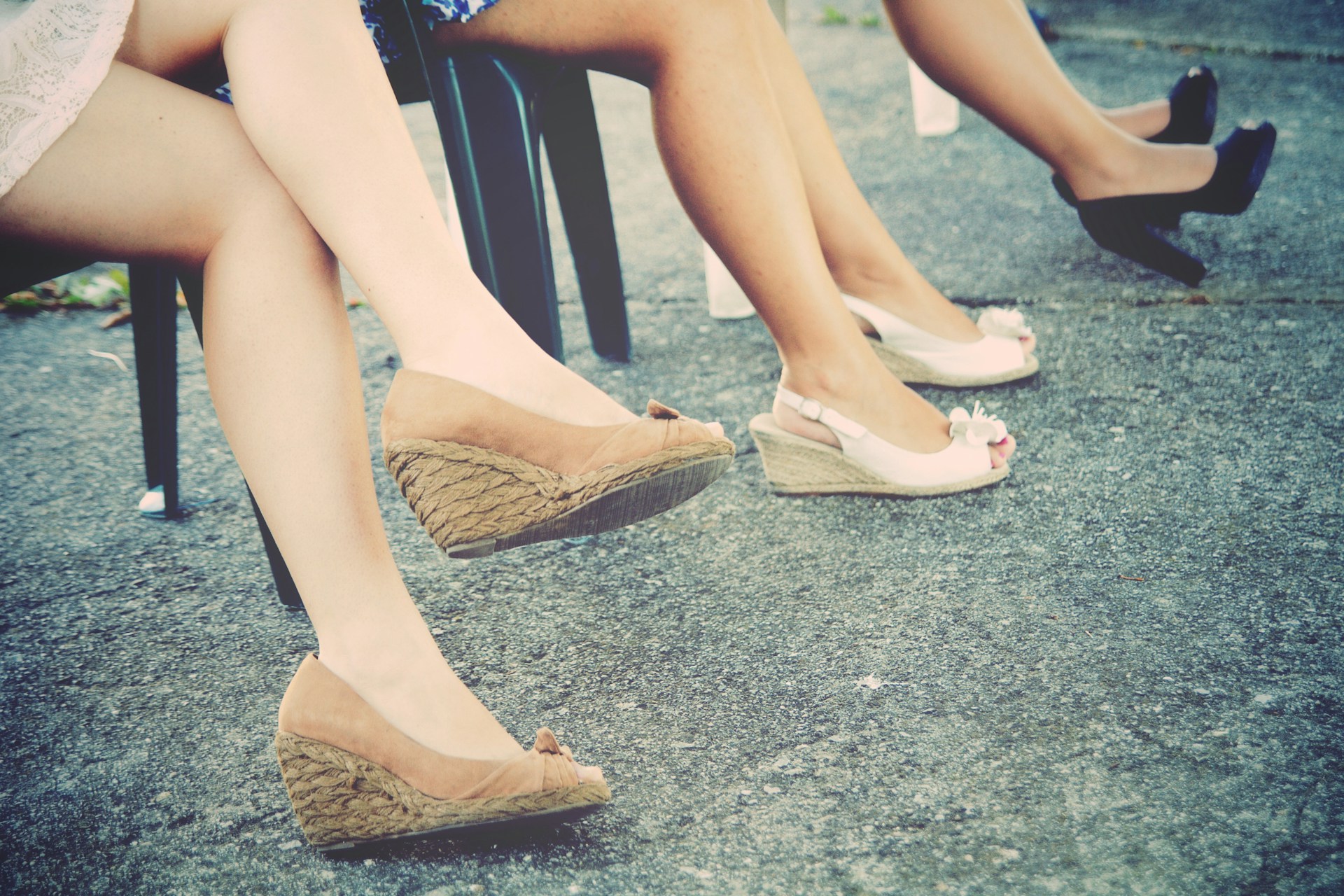
Wedges offer something genuinely different. Not just in how they look — but in how they actually perform across a full, ordinary day. We're talking commuting, errands, standing in a queue that doesn't seem to end, and pivoting quickly when plans change. If you can't walk confidently in a pair of heels, you won't reach for them. And that's the quiet reason so many wedges earn a permanent spot at the front of the wardrobe.
Think about what Tuesday actually looks like. You're moving from the car park to the office, navigating uneven footpaths, standing at a café counter, walking across a supermarket car park. Maybe there's a meeting room with hard floors, a lunch spot with cobblestones, or a school pick-up that involves standing around for longer than expected.
None of that sounds dramatic. But it adds up — and your shoes feel every bit of it.
Slimmer heels ask a lot of you in these moments. You're constantly micro-adjusting: being careful on wet tiles, watching for gaps in pavement, stepping deliberately rather than just walking. It's tiring in a way that's hard to name until you stop doing it.
Wedges remove most of that mental load. The continuous sole — from toe to heel — spreads your weight more evenly and gives you a stable base that moves with you rather than against you. You stop thinking about your feet. That, genuinely, is the point.
Put a stiletto next to a wedge and the design logic speaks for itself. One heel concentrates all your body weight into a small point. The other distributes it across a solid wedge of material. Physics aside, you feel that difference immediately when you start moving.
With slimmer heels, there's an ever-present awareness of potential missteps. Gravel. A soft patch of grass. A slightly sloped footpath. You're not exactly fearful — but you're watchful. And that watchfulness takes up mental energy you'd rather be spending elsewhere.
Wedges dramatically reduce that low-grade anxiety. The broader base keeps you grounded across different surfaces — carpet, timber, concrete, even a bit of lawn at an outdoor event. You can step off a kerb without bracing yourself. You can pivot to grab something off a shelf without thinking twice. That kind of quiet confidence changes how you move through a whole day.
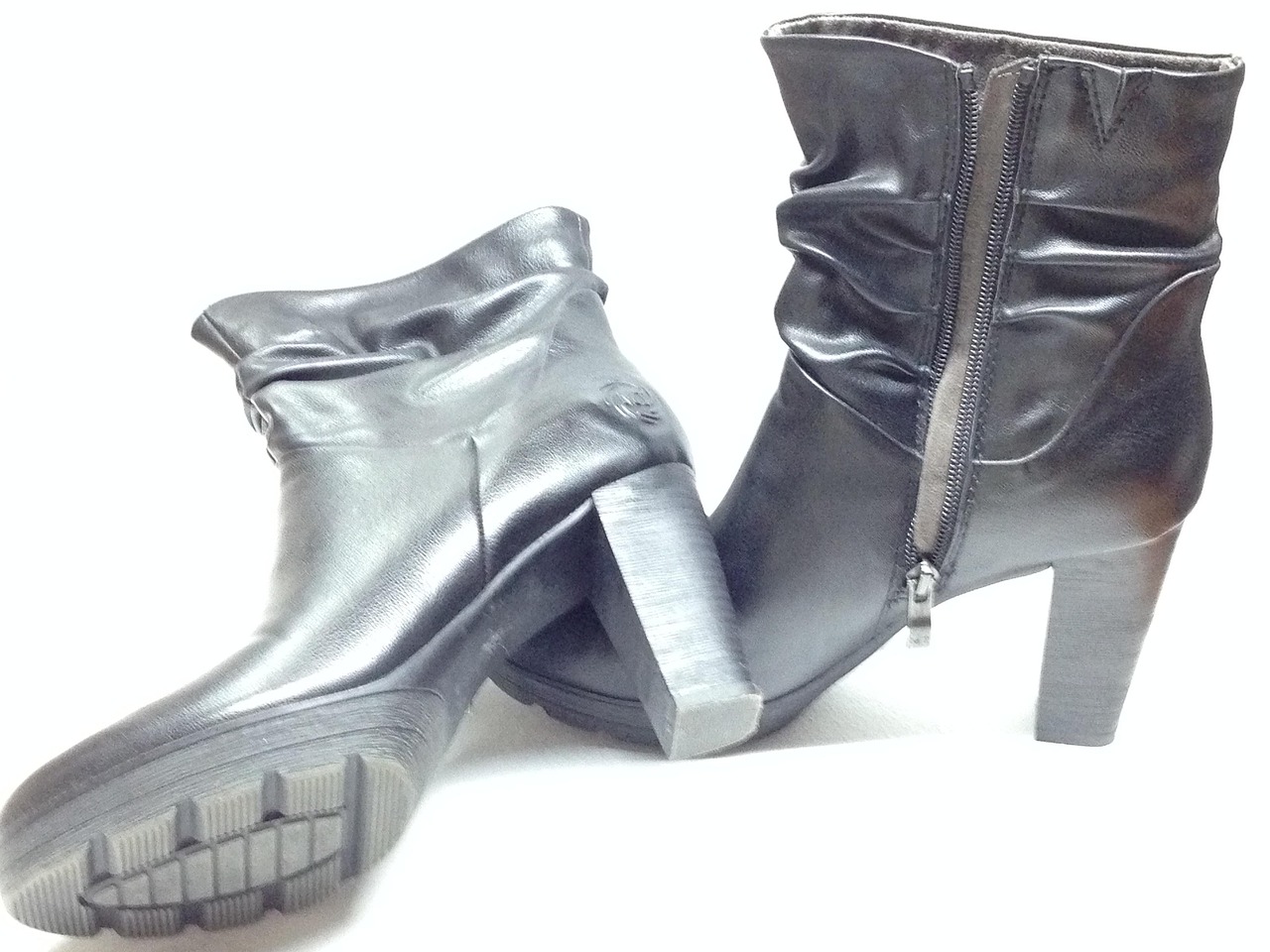
Most shoes feel fine in the first twenty minutes. The real test is hour three or four.
Slimmer heels tend to concentrate pressure on the ball of the foot as the day goes on. The muscles in your calves and ankles are working harder than they should be, constantly correcting your balance on a narrow point. By mid-afternoon, you know about it.
Well-made wedges — particularly leather wedges with proper foot support — don't work the same way. The heel and toe stay at a more natural angle, reducing the strain on the front of the foot. Good arch support makes a significant difference here. You finish the day still comfortable rather than counting down minutes until you can sit.
That's not a minor upgrade. It's the difference between wearing a shoe and enduring one.
There's sometimes an assumption that wedges are the practical fallback — what you wear when you're not quite dressed up. That's a fairly outdated read.
A well-crafted pair in leather or quality suede carries genuine elegance. The height reads as polished; the silhouette is clean. Whether it's a work event, a wedding reception, or a long Saturday that takes you from a farmers' market to a dinner out, wedges hold up across the whole run of it without requiring a costume change.
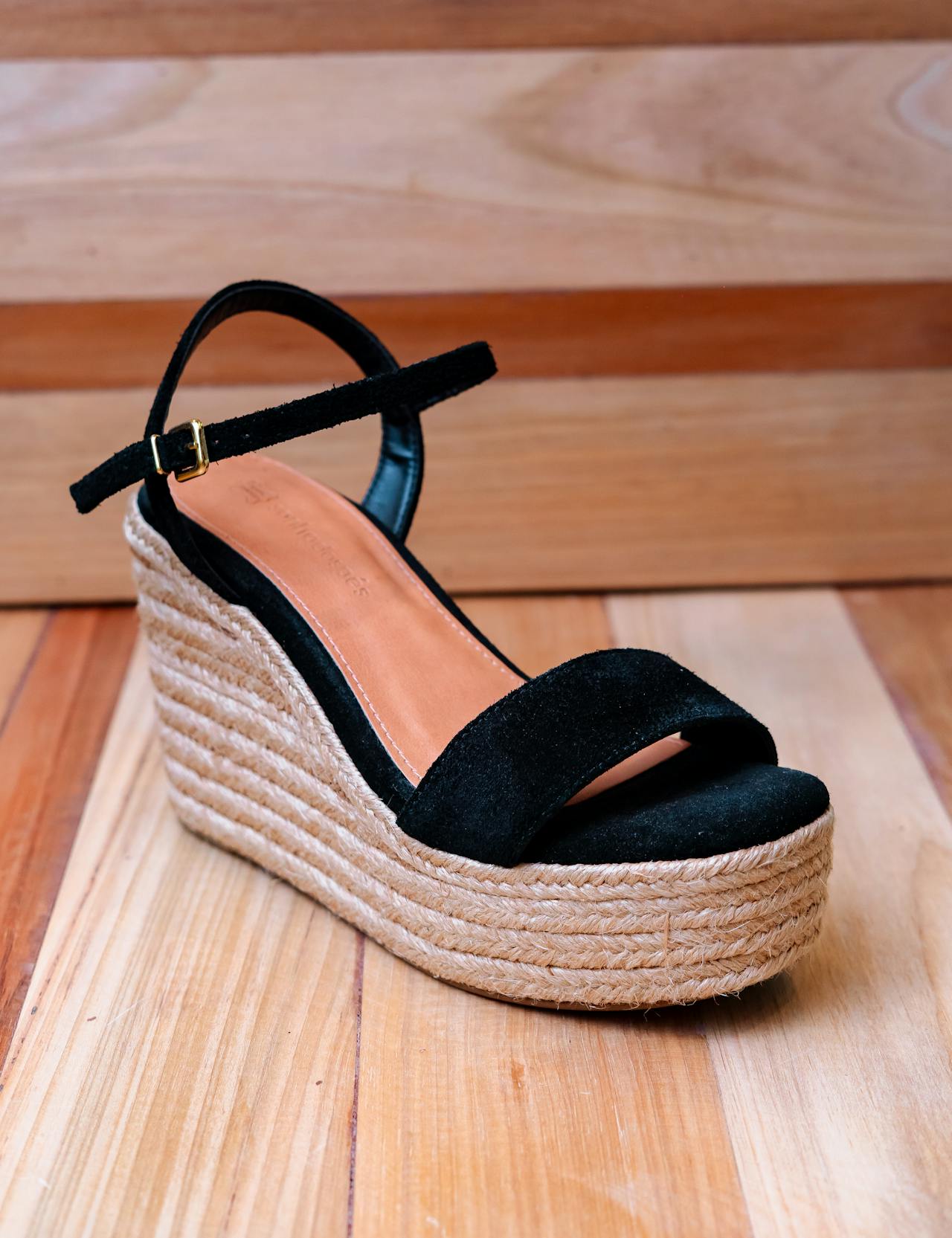
Wedge sandals are particularly useful here. They offer the open, relaxed feel of a sandal with enough structure and height to feel considered rather than casual. On a warm day with a linen dress or tailored wide-leg trousers, they're genuinely hard to beat.
Not every wedge is built equally. A few things are worth paying attention to before you commit.
Height matters more than people expect. A 5–7cm wedge tends to be the sweet spot — enough lift to feel dressed up, short enough to walk in without fatigue. Go higher and you start sacrificing some of the stability that makes wedges work in the first place.
The platform at the toe is also worth considering. A small amount of toe platform — even just a centimetre — meaningfully reduces the effective angle your foot sits at, which eases pressure on the ball of the foot significantly.
Material plays a role, too. Leather wedges tend to mould gently to the shape of your foot over time, improving fit with wear rather than degrading it. A padded footbed makes a noticeable difference on longer days. And a non-slip sole — especially if you're often on polished floors — is the kind of quiet detail that earns its keep.
Here's a simple test: think about the shoes in your wardrobe that you actually wear. Not the ones that photograph beautifully, or the ones you bought for a specific occasion and never touched again. The ones you genuinely reach for.
They're usually comfortable. They work across more than one type of outfit. They don't require you to plan your day around them.
Wedges, when chosen well, tick all three. They're the kind of shoe that earns consistent wear rather than occasional outing. That's not a compromise — that's the point.
In the end, the hottest girls' boots trends of 2025 are all about giving young fashion lovers power and making parents feel better. These shoes are changing the way kids think about their clothes, from ankle boots to athletic shoes. Buying good boots from a trusted shoe store is a good way to make sure your girls look good, no matter what they're doing. So, the next time you go shopping, pay attention to these trends. Your kids will be grateful.