(678) 999-8212

Boys boots are shoes that give people two things: usefulness and style. Truth be told, they're more than just the average footwear. They've become a fashion statement and a way to stay safe. For kids, especially boys, boots have carried a unique role in shaping how young people move through the world — from the schoolyard to the bush, from formal occasions to muddy adventures.
Understanding why boys boots exist and how they came to be requires us to step back into the past. Boots were originally designed for protection. Long before the modern shoes shop displayed neat rows of polished leather and synthetic designs, boots were crafted to shield feet from harsh terrain, weather, and work environments. For children, particularly boys, boots became a miniature version of adult footwear, reflecting the idea that kids were expected to follow in their elders' footsteps — quite literally.

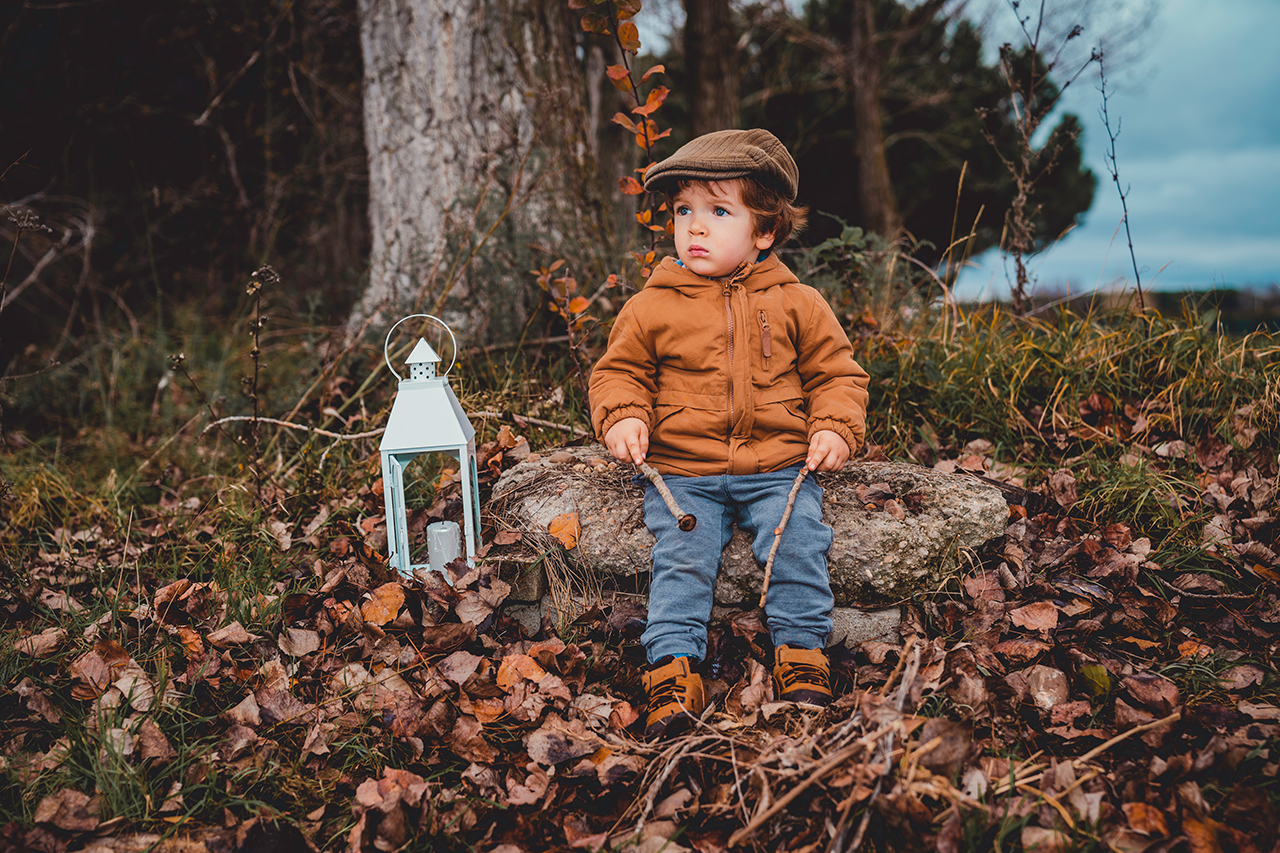
The first boots were made to be useful, not to look good. There's more than enough proof that shows nomadic cultures donned boots thousands of years ago. Did you know that these shoes were frequently constructed from sewn animal hides for warmth and durability? As societies grew, boots became linked to warriors, workers, and travellers. For boys, boots were often a scaled-down version of what their fathers wore, symbolising readiness to take on responsibility.
In the 19th century, when industrialisation reshaped daily life, boys boots became a standard part of childhood attire. Families living in rural areas needed sturdy shoes for their children to withstand farm work, long walks to school, and outdoor play. There was also increased value given to boots in urban centres because they were the only footwear that could provide maximum protection for young feet against the likes of unpredictable weather, dirt roads, and cobblestones. Boots were the exact opposite of sandals and slippers because they are resilient. It's something every parent would want for their kids.
The rise in boys' boots correlated with the usefulness of this footwear. Kids are naturally active, so their shoes need to keep up. Boots protected against mud, rain, and rough ground, and they also supported the ankles and lasted a long time. In many ways, boots were the first "all-terrain" shoes for kids. You could wear them to school, church, or when you were out exploring. Since most parents find it difficult to procure a handful of pairs of shoes for various purposes, the most sensible choice would be those boots.
Another reason for their popularity was cultural symbolism. Boots were often linked to discipline and respectability. A boy in polished boots was seen as well-prepared, tidy, and ready to learn. The Victorian and Edwardian societies evidently showed the link between character and footwear. The reason is that appearance was always tied to moral values. Even in today's trends, school shoes in boot form are quite tangible, more so with the concepts of practicality and formality.
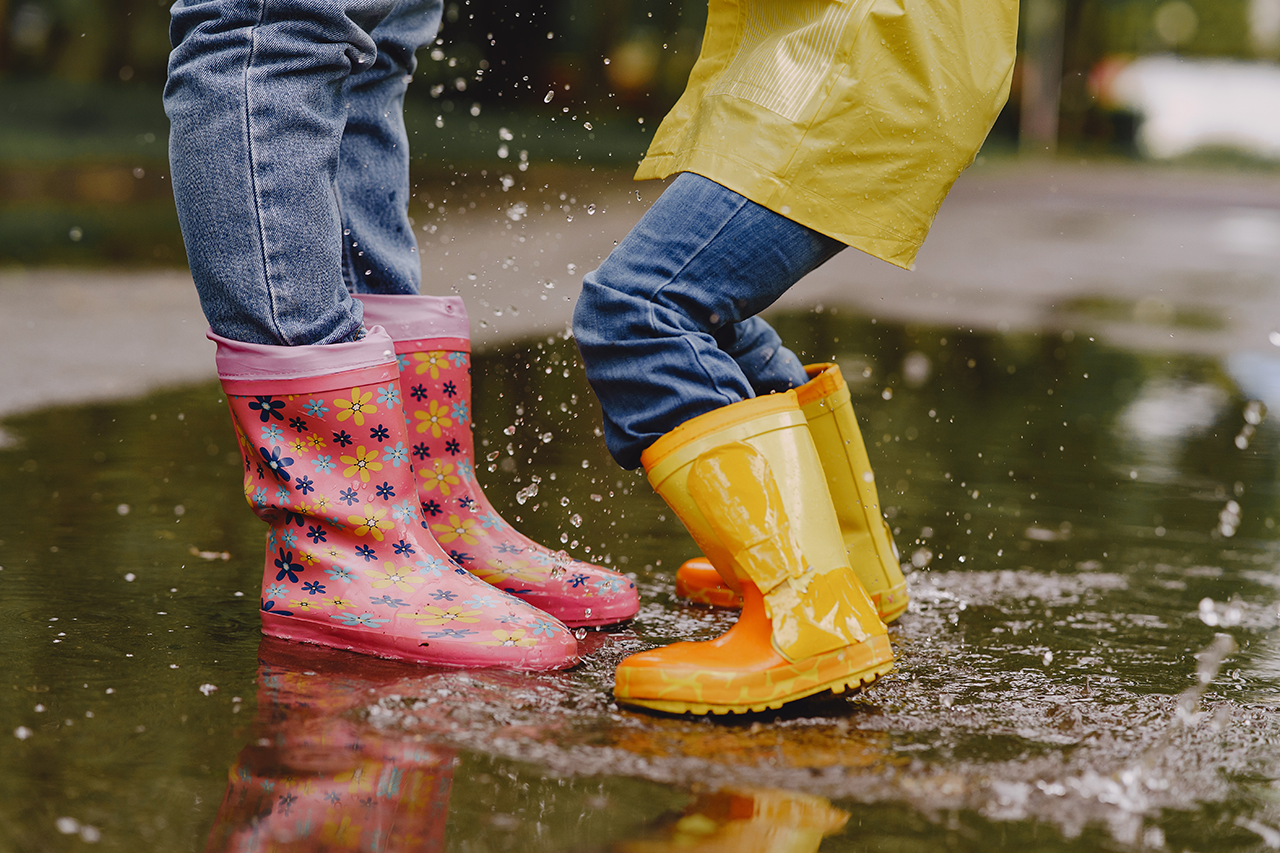
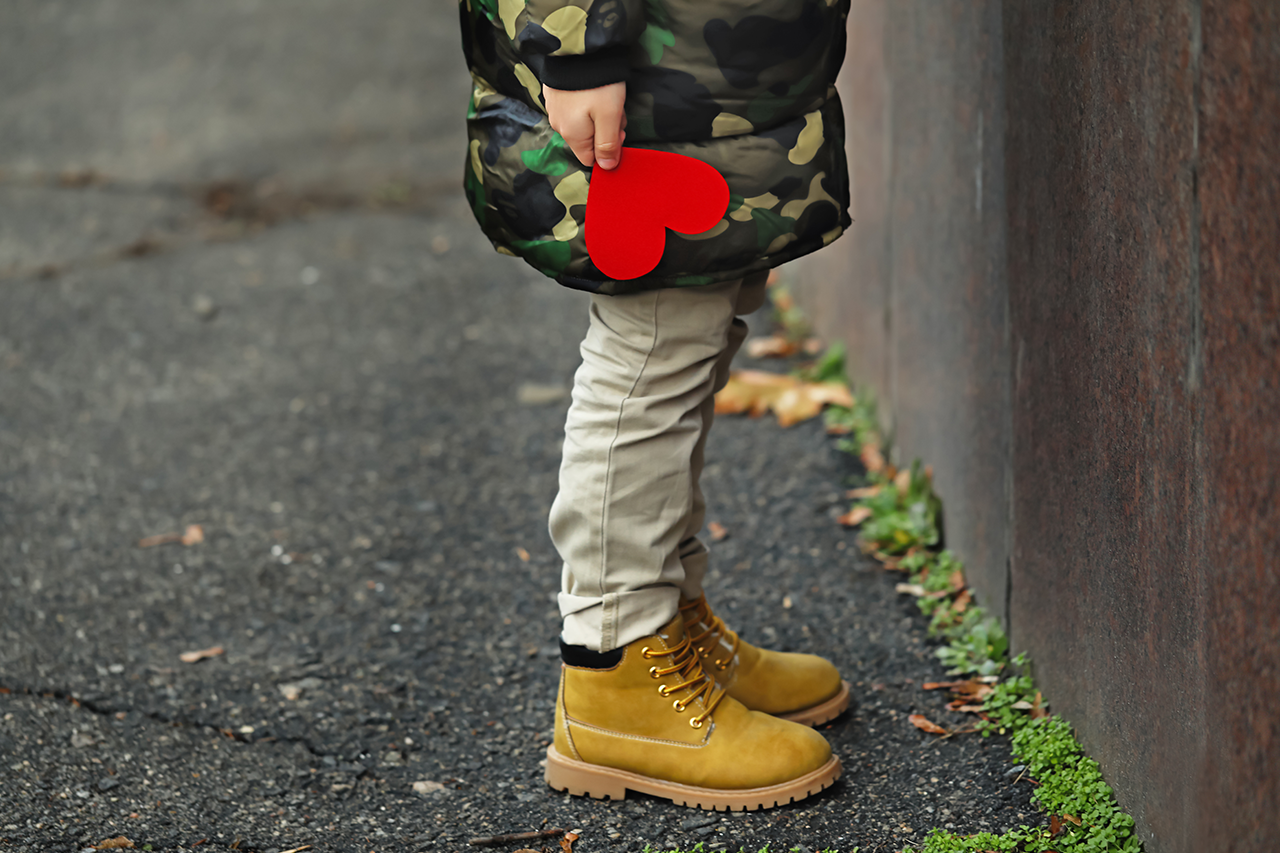
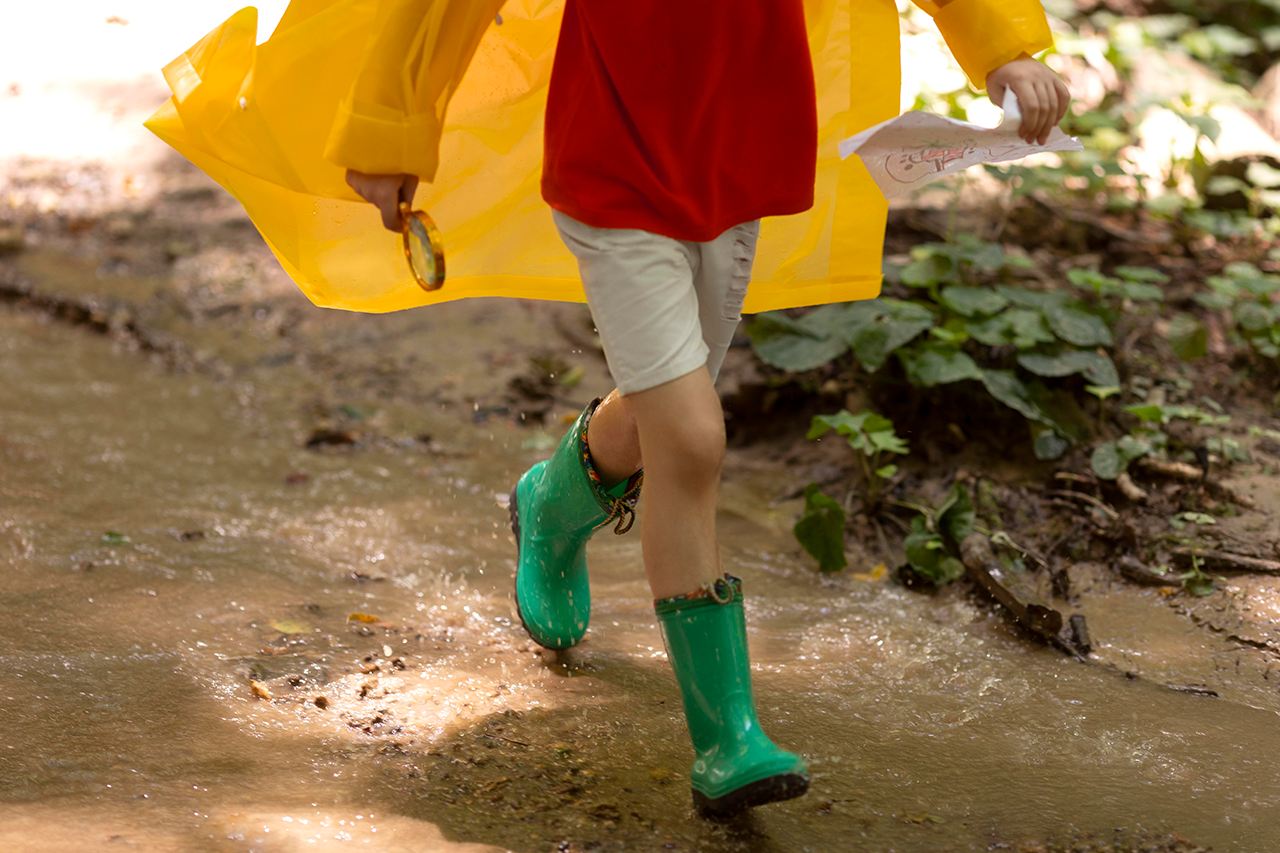
Over time, different types of boys boots emerged, each serving a specific purpose. The most enduring ones are:
There always will be a special cultural resonance on boys boots in Australia. The harsh, unpredictable climate, coupled with a challenging landscape, demands footwear that can withstand the extreme. As such, it's no surprise that boots are an indispensable part of an average Australian childhood. It could be in the form of gumboots used through puddles or leather boots meant for school. It can likewise be rugged hiking boots designed for camping trips. All of these variants represent what should be the perfect characteristics of adaptability and resilience.
Credit is given to Australian shoe brands that have, in one way or another, helped build an identity for boys boots. They came up with designs that showcase practicality and style, all of which afford a sense of belonging. A boy wearing boots is part of a tradition that stretches back through history, linking him to both local culture and global trends.
While practicality has always been central, fashion has played a role in shaping boys boots. In the 20th century, as mass production expanded, boots became available in a wider range of designs, colours, and materials. Parents could now choose boots that matched their child’s personality or the expectations of their community. For kids, this meant that boots were no longer just about protection — they were also about self-expression.
Today, boys boots come in countless variations, from sleek leather designs to colourful synthetic options. Some are tailored for formal occasions, while others are built for rough play. The influence of global brands has expanded the choices available in every shoes shop, ensuring that parents and children alike can find boots that suit their needs.
Another fascinating aspect of boys boots is how materials and technology have evolved. Early boots were made from leather and stitched by hand. Over time, rubber soles, synthetic fabrics, and waterproof coatings transformed the durability and comfort of boots. For kids, this meant lighter, more flexible footwear that still provided the same level of protection.
Modern boys boots often feature cushioned insoles, breathable linings, and reinforced toes. These innovations reflect the growing understanding of child development and the importance of proper footwear. A good pair of boots can support healthy posture, protect growing bones, and encourage active play.
Beyond their practical and fashionable roles, boys boots carry symbolic weight. They represent growth, responsibility, and readiness. A boy’s first pair of boots often marks a milestone — a step towards independence. Whether it’s lacing up for the first day of school, heading out on a camping trip, or simply stomping through the backyard, boots are tied to moments of discovery and resilience.
In literature and film, boots often symbolise adventure and determination. For kids, wearing boots can feel empowering, as though they are stepping into a bigger world. This symbolic dimension helps explain why boots remain such a central part of childhood footwear.
In the modern era, boys boots continue to balance tradition and innovation. They are still valued for their durability and protection, but they also reflect contemporary concerns such as sustainability and ethical production. Many brands now focus on eco-friendly materials and fair labour practices, ensuring that the boots children wear are not only good for their feet but also better for the planet.
At the same time, the variety of boys boots available in any shoes shop reflects the diversity of modern childhood. Some children need boots for school, others for sport, and others for outdoor exploration. The adaptability of boots ensures they remain relevant across generations.
The story of boys boots is one of continuity and change. From their origins as protective gear to their role as cultural symbols and fashion items, boots have always been more than just shoes. They embody resilience, adaptability, and tradition. For kids, especially boys, boots are a bridge between practicality and identity, linking the past with the present.
Whether polished for school shoes, rugged for outdoor play, or styled for modern trends, boys boots remain a cornerstone of childhood footwear. They tell a story of history, culture, and innovation — a story that continues to evolve with every new generation.