(678) 999-8212

It's not easy to find a pair of shoes that look nice and feel good all day, but for many women, mary janes are at the top of their list. They have a classic shape, a strap, and a closed toe, making them a must-have in any wardrobe. Not every pair of mary janes is the same, though. The key to finding a pair you'll want to wear all day is to know how the width, strap placement, and toe shape work with your foot type.
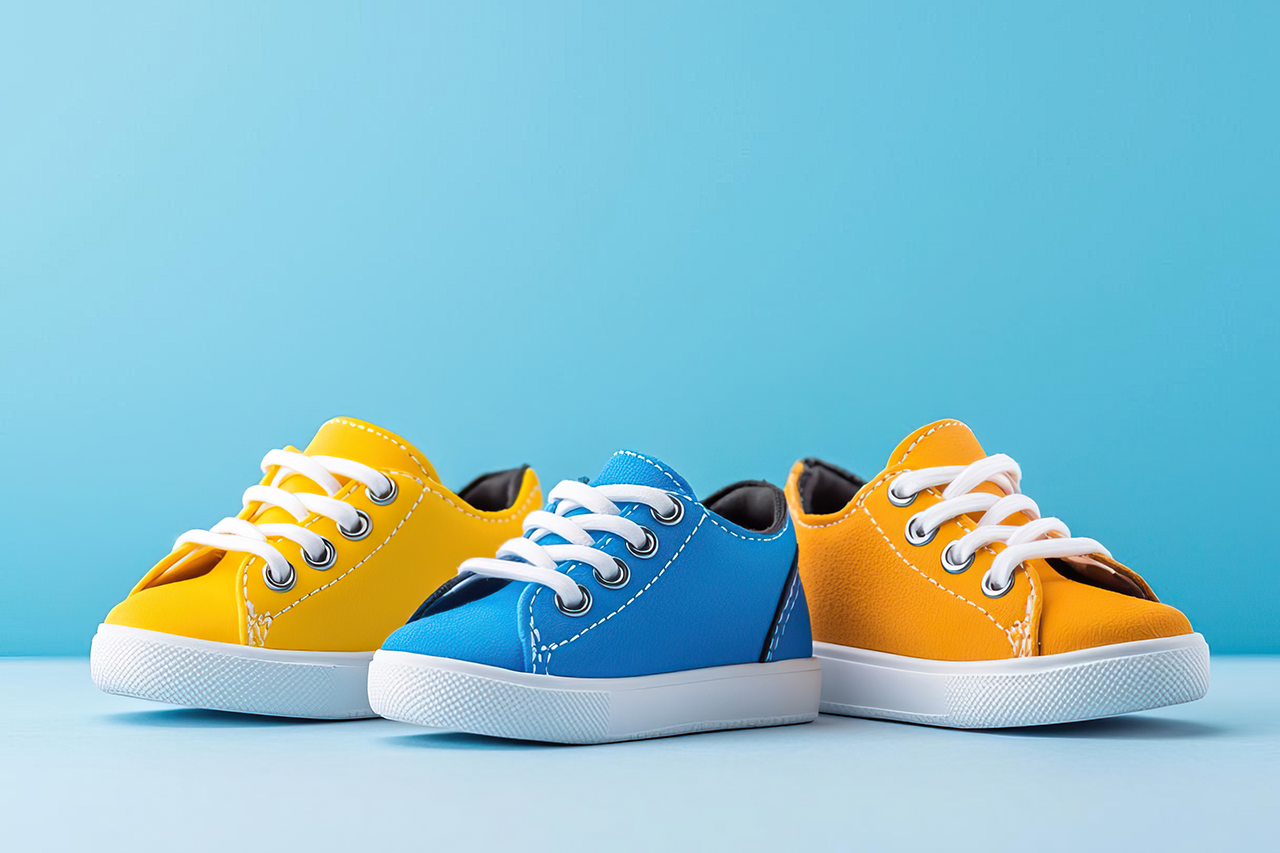
This guide goes over the technical fit information you need to make better purchases in 2025.
Every shoe is built around a last — the mould that determines the internal shape of the footbed. For mary janes, the last governs how your foot sits inside the shoe, how pressure is distributed across the ball of your foot, and whether the heel cups you or gaps away from your skin.
A good last should fit snugly around your heel, leave a thumbnail's width of space at the toe, and sit flat against the widest part of your foot without pinching. A lot of women who are looking for mary jane flats don't even look at the last. Instead, they focus on how the shoes look and then wonder why their feet hurt by the middle of the afternoon. The last is where comfort really starts.
When looking at any pair of mary jane shoes, from a simple flat to a chunky-soled sneaker, ask the store if the last runs narrow, standard, or wide. With this one piece of information, you won't have to go through the annoying process of returning items.
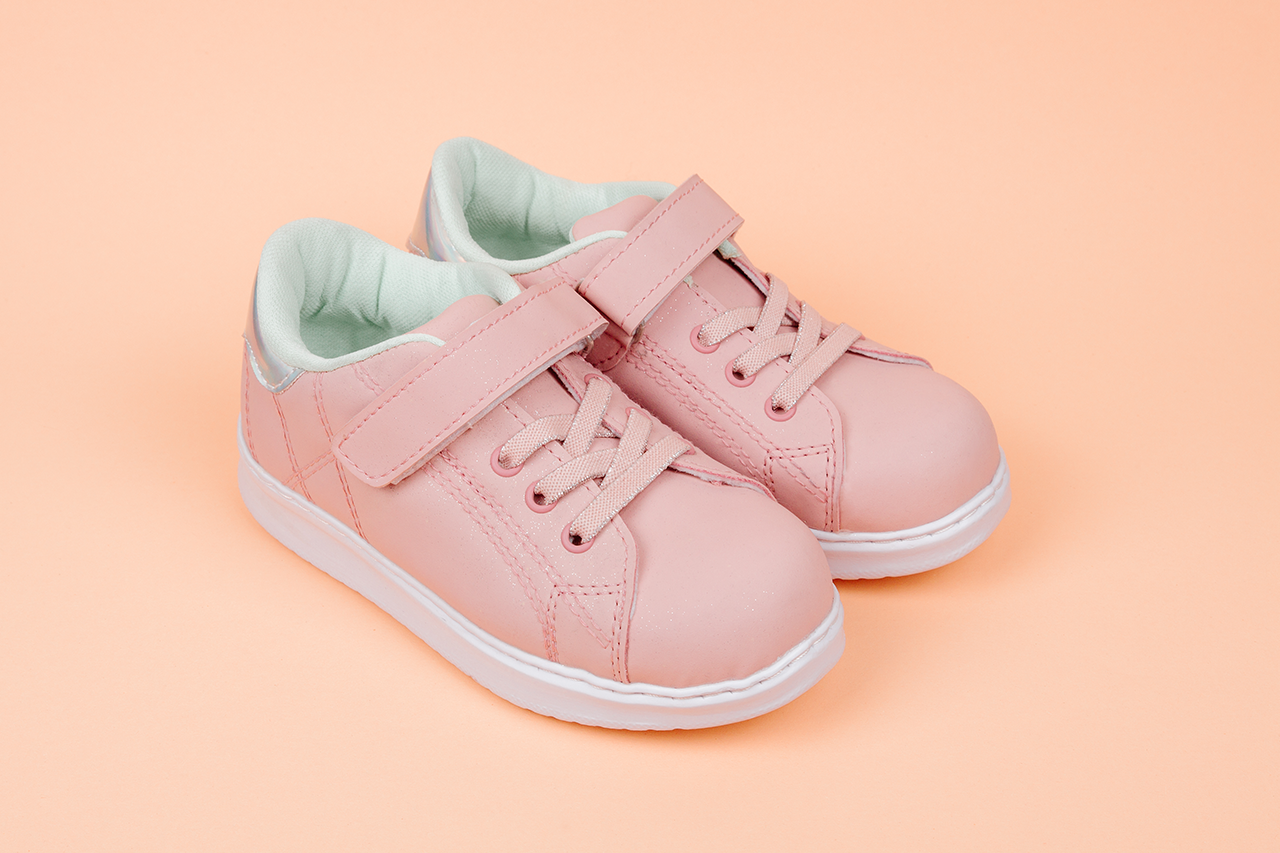
When it comes to Australian women's shoe sizes, length is usually taken into account, but width is not. Width is one of the most important factors for daily comfort. Mary Janes are especially unforgiving when the width is wrong because they have a closed construction and a strap on the back.
When the metatarsals are compressed, the pain can spread up into the arch. On the other hand, a shoe that is too wide makes the foot slide forward, pushing the toes toward the front of the shoe with every step.
If your feet are wider, look for mary janes that say they are "wide fit" or "EE width." These are shaped with more volume in the forefoot and a wider toe box, which makes the pressure go down a lot. A standard or "D width" last tends to hold the foot more securely without the strap doing all the work for people with narrower feet.
If you're between widths, always choose the wider option for flats and the narrower option for heels, since the pitch of the shoe naturally shifts weight forward.
The strap on a pair of mary janes is more than just for looks; it helps keep your foot in the shoe securely.
The most common shape is the single-strap mary jane. The strap goes across the instep and fastens at the side, keeping the foot in place and stopping the heel from slipping. The placement of the strap has a big impact on how well the shoes fit. A strap that is higher on the instep is better for feet with higher arches, while a strap that is lower works better for feet with lower arches.
The T-Bar shoe has a more complicated way to fit. The vertical bar that runs down the middle of the instep, along with the horizontal ankle strap, work together to spread pressure over a larger area. The extra structure keeps the foot from pronating inward, which makes the T-Bar shoe a great choice for women with wide forefeet or who spend a lot of time on their feet. The T-Bar configuration also makes it easier for people with high insteps, wide heels, or very narrow ankles to find a pair of shoes that fits well.
Double-strap styles are in the middle. They give you more options for how to wear them without the heavy look of a full T-Bar. These are a good choice for women whose left and right feet are slightly different in size because each strap can be changed on its own.
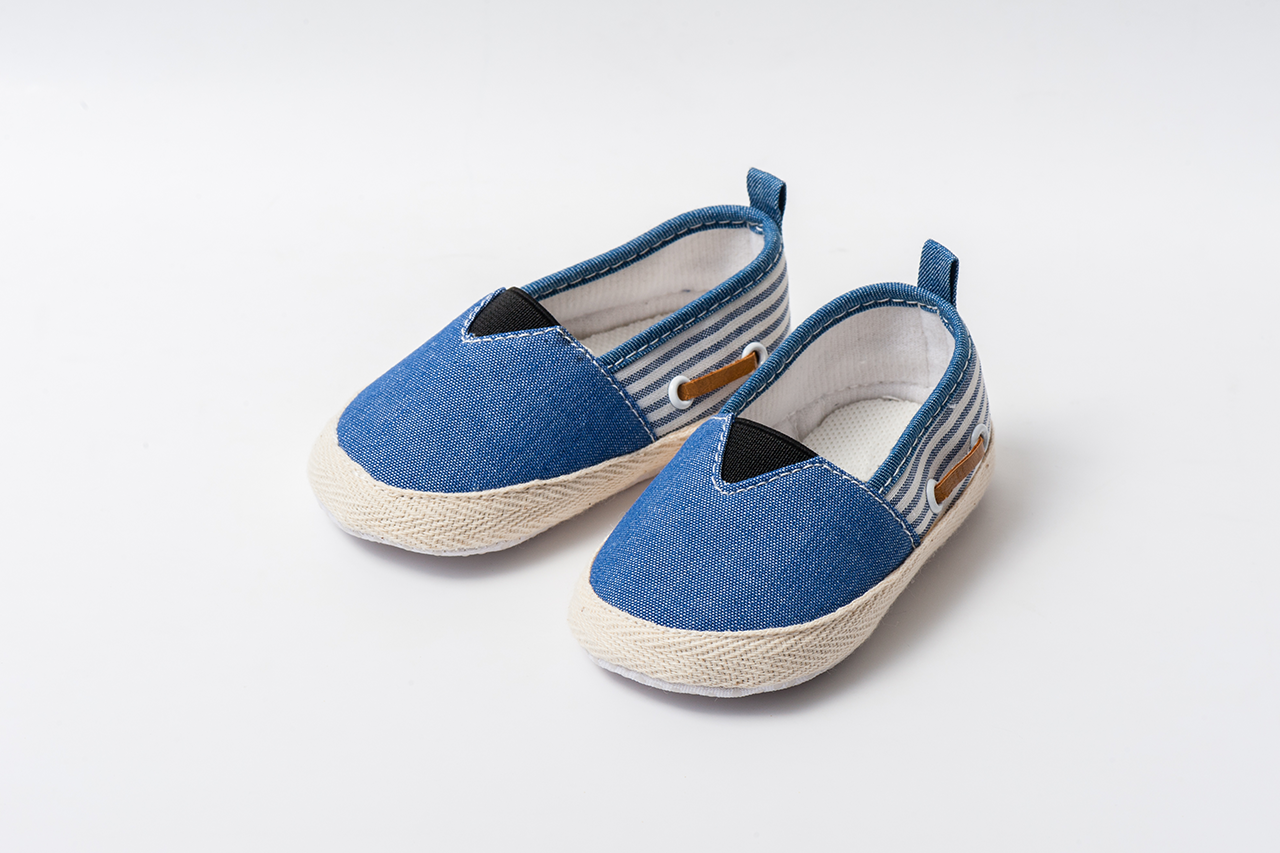
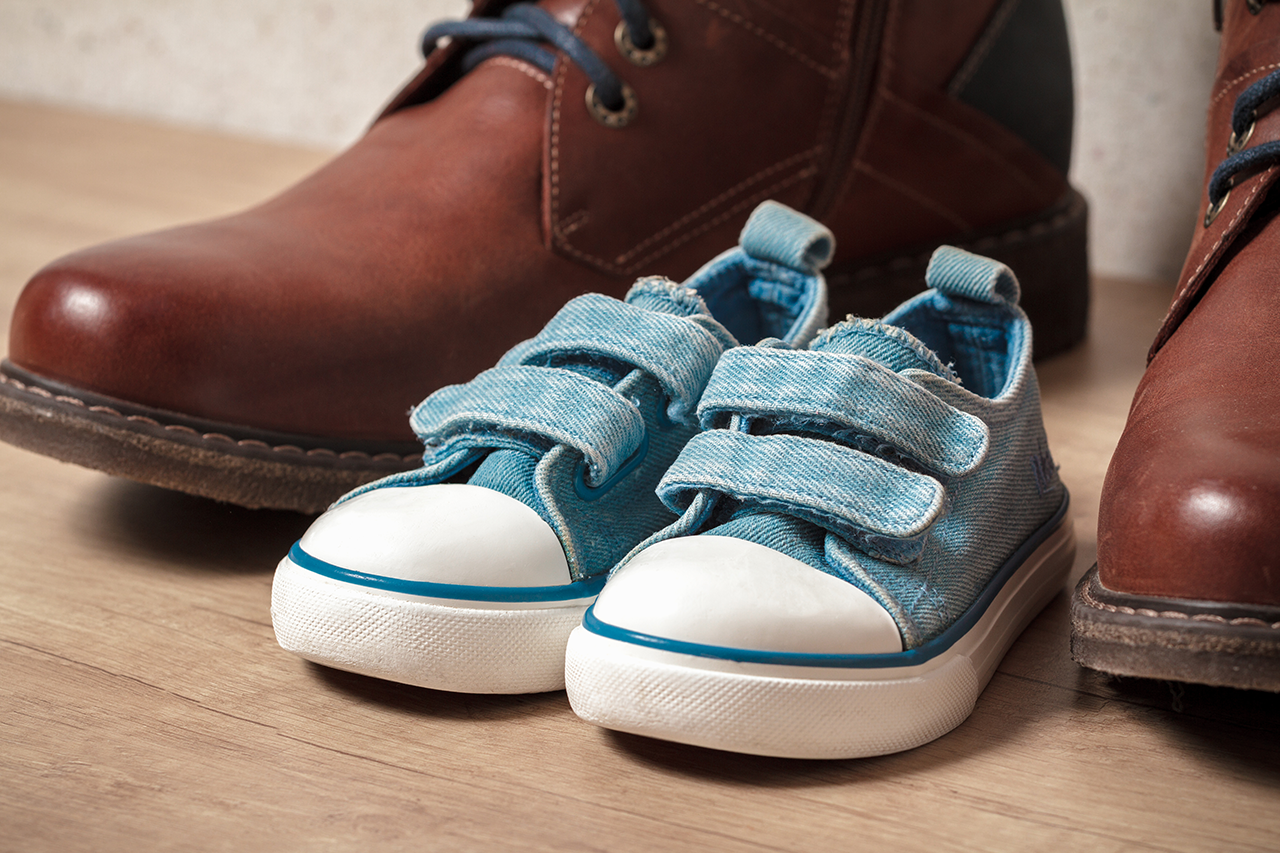
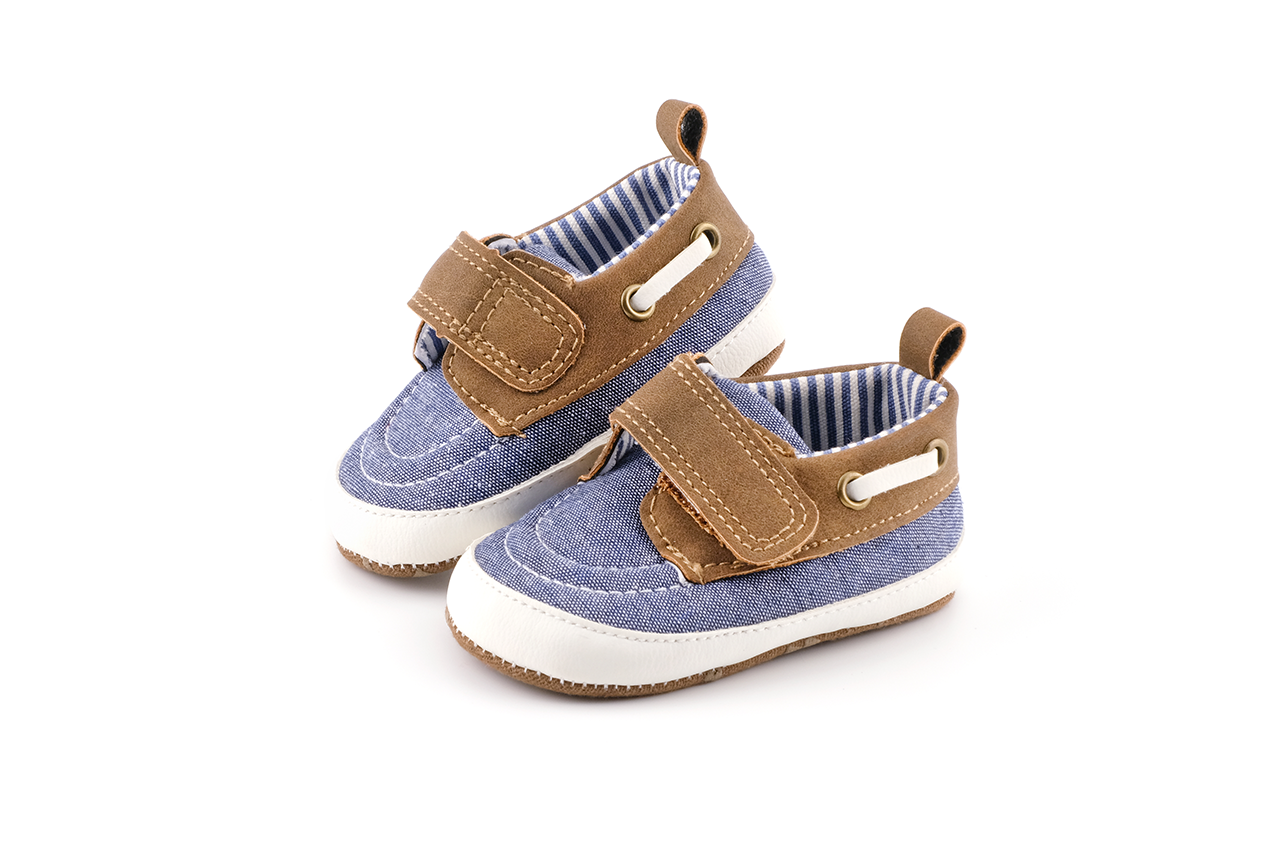
The shape of the toe box on mary janes has a direct effect on how your toes fit inside the shoe. If you get it wrong, you'll get blisters, calluses, and long-term pain.
A round toe box is the best choice for people with wider feet or bunions because it allows the toes to spread naturally. A lot of mary jane flats have a slightly rounded toe because it looks good on a wide range of foot shapes without losing style.
An almond toe tapers more smoothly than a pointed toe, but it still makes a long, defined shape. This works well for feet that are medium-width and gives them a smooth finish that looks polished without pinching the toes.
Square toe styles are very popular right now for women's shoes. They have a lot of room at the very tip of the shoe, which makes them surprisingly comfortable for people with wider forefeet. The only thing to keep in mind is that square toes can feel tight if the toe box depth is shallow, so always check both vertical and horizontal space.
The rise of mary jane sneakers has made the shape more athletic by adding cushioned soles and flexible uppers to the classic strap. These don't fit the same way as regular leather or synthetic mary janes do.
Mary Jane sneakers usually fit better over time because the upper is more flexible. The strap is still very important for lateral stability, though. If the strap is just for looks and doesn't have a functional buckle or elastic, it won't help with fit at all, and you'll have to rely on lace tension to keep it in place.
Styles with extra details, like the rose-bow mary jane, get their looks from hardware, fabric flowers, or decorative overlays. Be careful where you place the embellishment on the shoe if you want it to fit well. A bow or rose on the toe box can make the shoe less usable, so it's usually a good idea to go up half a size.
The rose-bow mary jane also tends to sit higher on the foot, which can change how the strap fits. To get the best idea of how comfortable they are, try these styles on later in the day when your feet are at their biggest.
The basics of fit stay the same whether you're looking at a classic leather flat, a T-bar shoe, or the newest mary jane in a seasonal print. Make sure the heel fits snugly and doesn't slip, that the strap is fastened at the middle of its adjustment range (not at the tightest notch), that your toes have room to move without lifting the toe box, and that the widest part of the shoe is in line with the widest part of your foot.
From the first time you wear them, great mary janes should feel safe. You can be comfortable every day without breaking in the shoes if you get the right width, strap style, and toe shape for your foot.