(678) 999-8212

If you've ever kicked off a pair of flat shoes at the end of the day and wondered why your feet still ache—you're not imagining things.
That's what most people think, anyway. Flats feel safe. Low heels get lumped in with towering stilettos and dismissed without a second thought.
But here's the thing—that assumption is worth questioning. A modest 1–2 inch lift puts low heels in a biomechanical sweet spot that neither completely flat footwear nor high-rise options can claim.
When you understand what's actually happening in your body, you stop thinking of them as a compromise. You start seeing them as the more considered choice.
Flat-soled footwear gets a lot of credit it doesn't always deserve.
The human foot has a natural arch that creates a slight forward pitch. When you wear completely flat shoes, that arch has to work harder than it should to maintain structure throughout the day.
What happens next? Your plantar fascia—the band of tissue along the base of your foot—gets overstretched. Your Achilles tendon, which functions best with a slight shortening, gets pulled taut from heel to calf. Your lower leg muscles compensate by working harder.
None of this is dramatic. But over a full workday, it adds up in ways you feel by 4 pm.
This is where a 1–2 inch heel starts to look a lot more interesting.
A modest rise in this range makes several specific changes to how your body manages weight and posture:
It's useful to understand why heels above 3 inches cause discomfort—because low heels genuinely don't share those problems.
At extreme heights, the foot pitches forward steeply, compressing the metatarsal bones and throwing the entire kinetic chain off balance. The knees angle forward. The lower back arches to compensate. Ankle stability disappears. Every step requires more neuromuscular effort to keep things upright.
This range stays well below the angle where these compensatory patterns appear. The foot remains in a functional range. The ankle retains mobility. The forefoot isn't crushed. You get the positional benefits of a slight lift—none of the structural penalties.
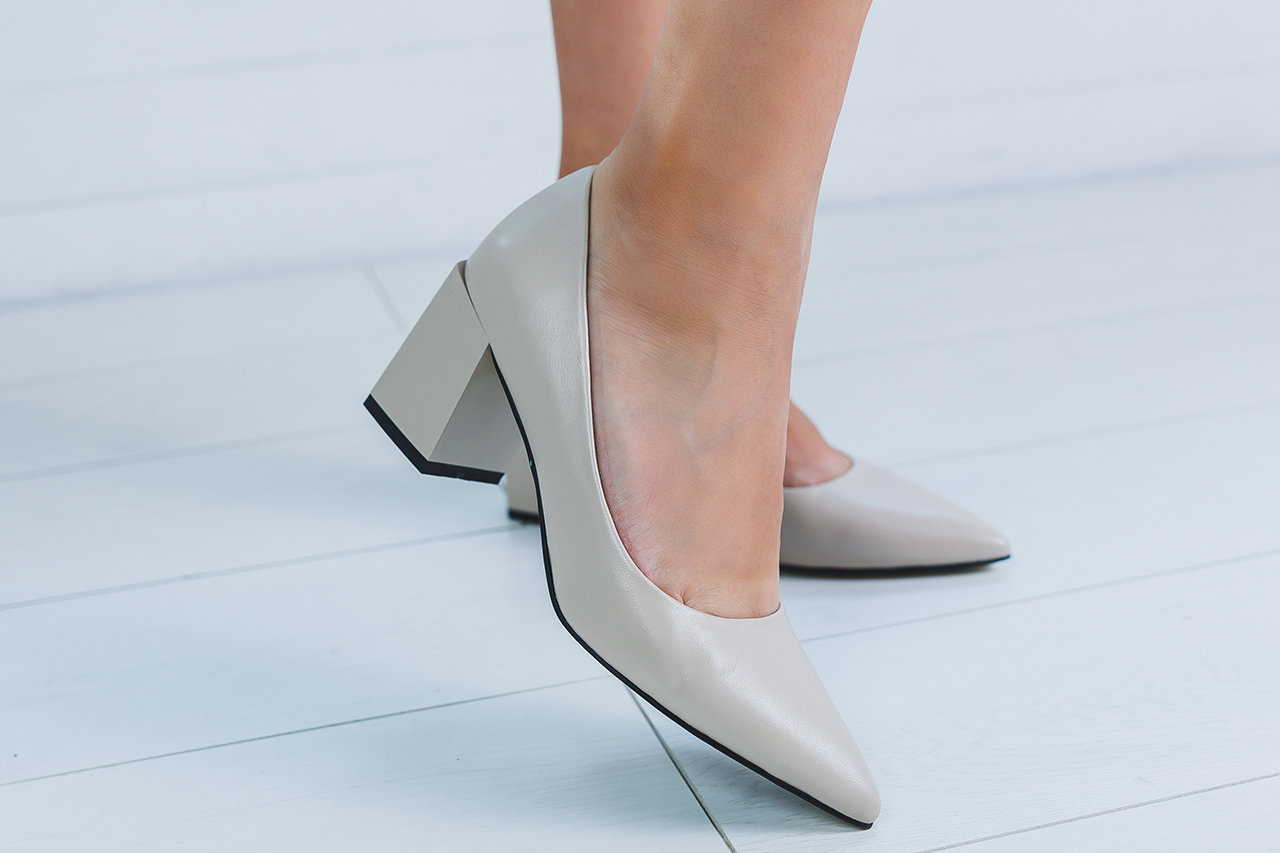
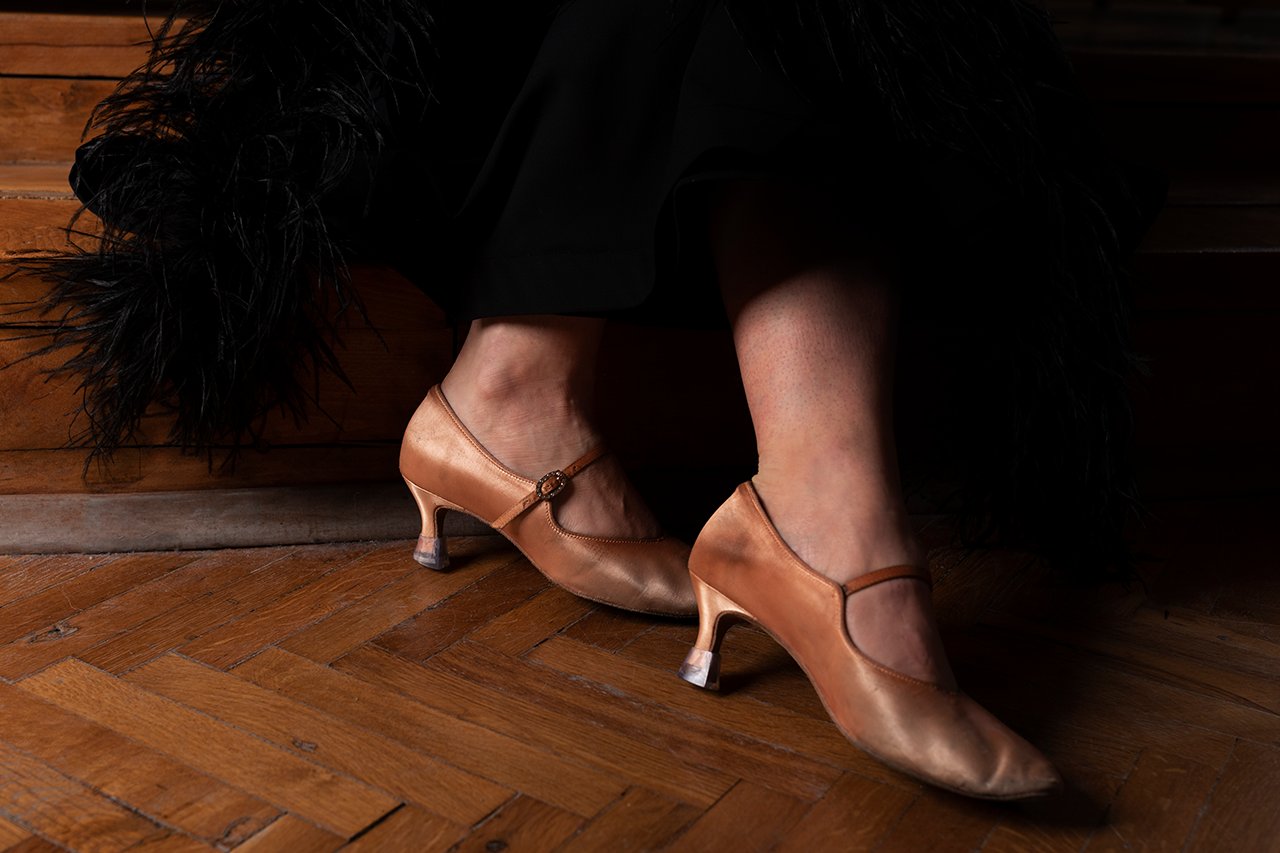
Not all low heels perform equally—and this is where block heels deserve a proper mention.
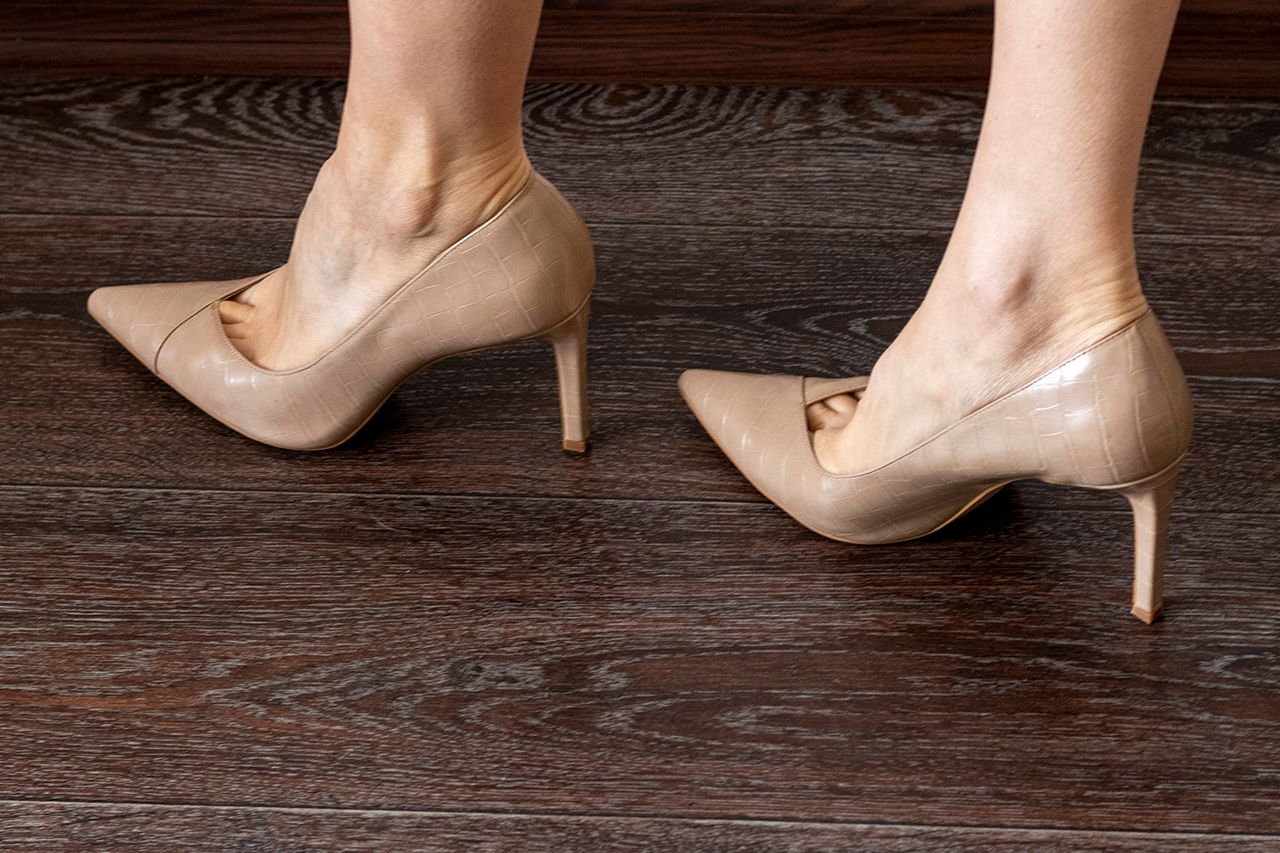
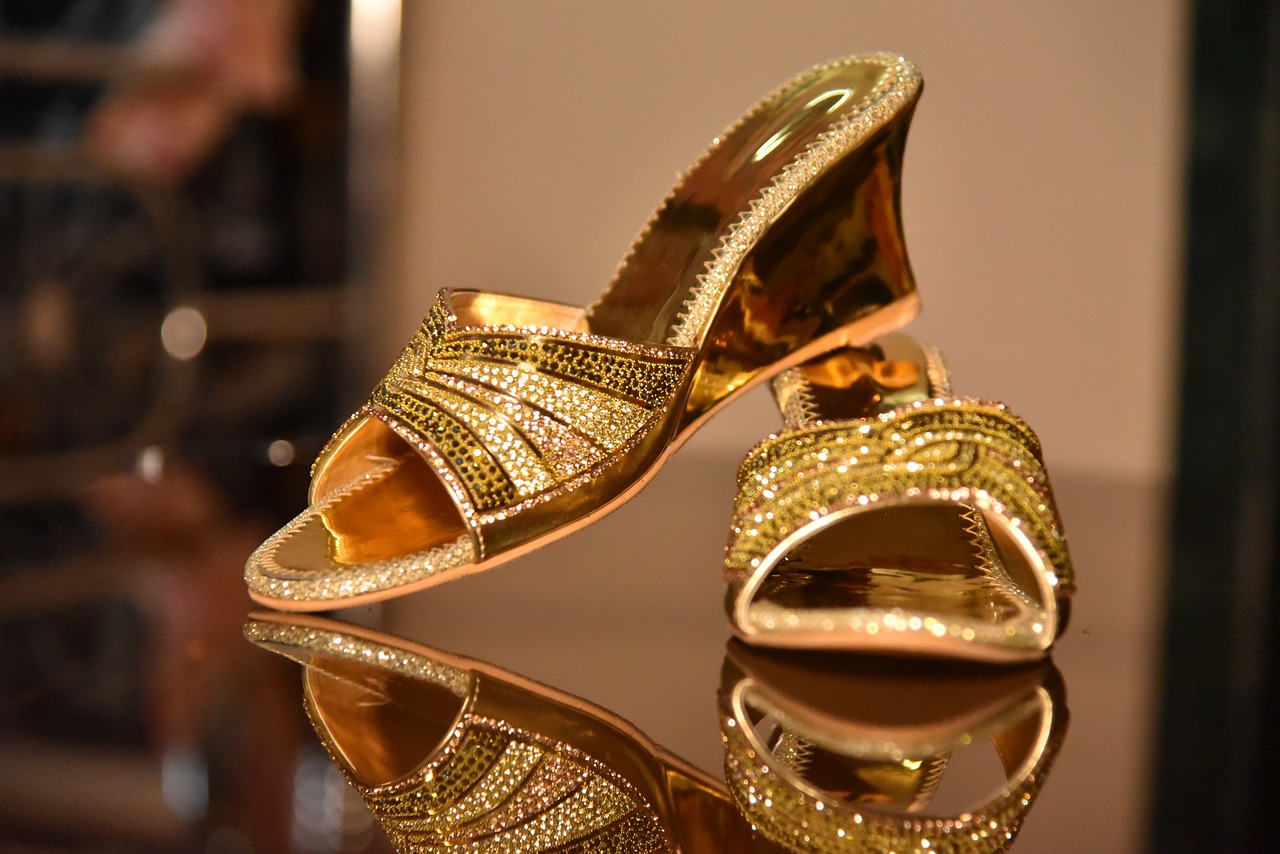
A stiletto at 1.5 inches is technically within this height range. But a tapered, narrow heel concentrates your body weight into a very small contact point, which reduces stability with every step.
Block heels spread that load across a wider base. The result is better lateral stability, less ankle wobble, and less compensation throughout the leg.
When you pair the height benefits of low heels with the wide base of block heels, you get a combination that's hard to beat for everyday wear. If you're new to wearing heels regularly, this is the most forgiving starting point available.
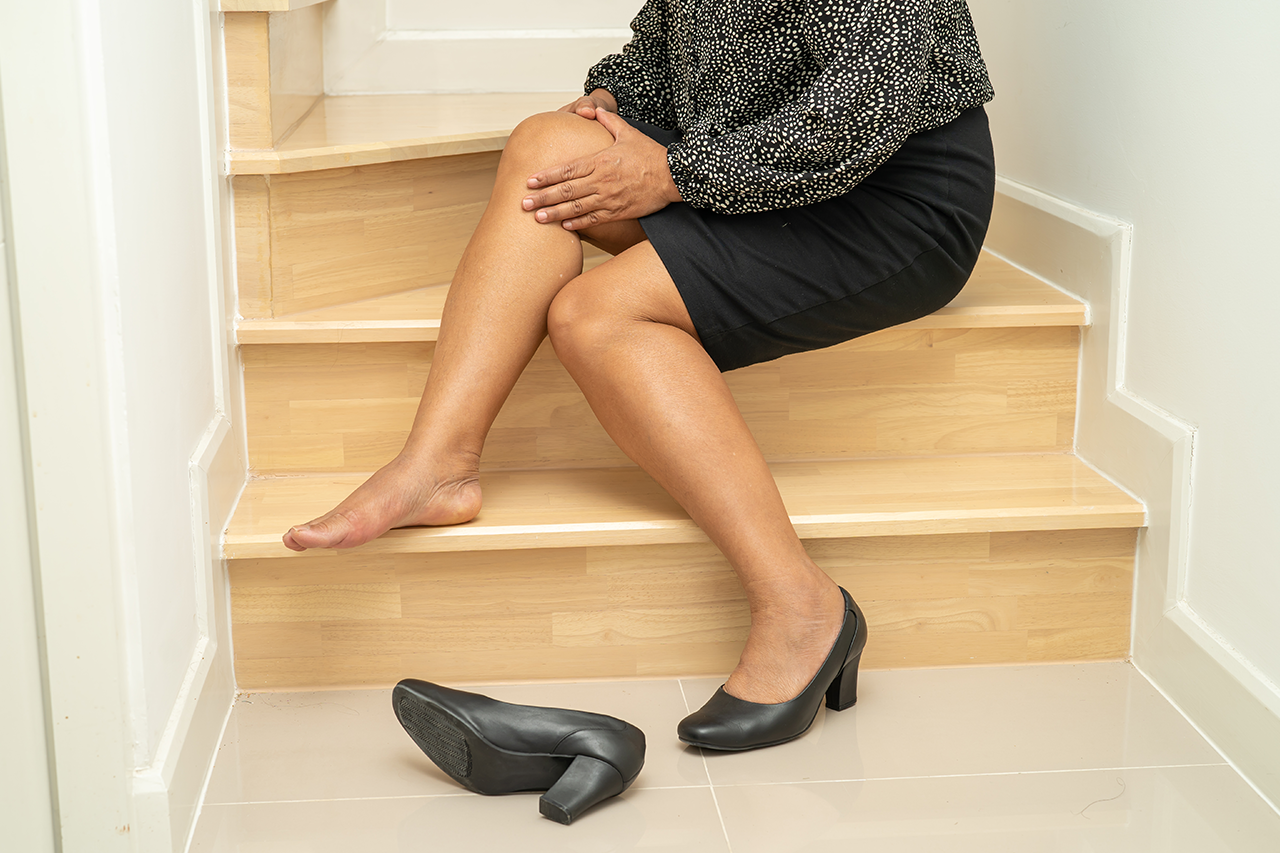

Theory only matters if it translates to how your feet actually feel. So let's get specific.
Walking to a train, navigating a car park, moving between buildings—low heels offer a functional combination of comfort and stability that flat-soled footwear can struggle to match once you're covering real distance. The slight lift keeps your calf muscles from over-lengthening step after step.
Sitting for long stretches while wearing low heels places your foot at an angle that subtly encourages better seated posture. It happens without conscious effort. High heels make seated positions uncomfortable. Flat shoes leave posture unsupported. Low heels sit quietly in the background, doing small useful things.
In and out of shops, up stairs, walking uneven pavement—this is where low heels show their range. You're not perched on an unstable platform. You're not absorbing every surface directly through a zero-drop sole. You're just moving normally, in footwear that works with your body rather than against it.
Height is the starting point, not the whole picture. A few other details matter:

The footwear conversation tends to run in circles. Flats are safe. High heels are bad. Somewhere in the middle is the answer.
But "somewhere in the middle" turns out to be a very specific place—and it's backed by how the body actually distributes load, maintains posture, and manages fatigue across a full day.
Low heels in the 1–2 inch range aren't a lesser version of something else. They're not flats with a small lift added. They're their own category—and ergonomically, often the most intelligent one.
Next time you're weighing up comfort options, it's worth reconsidering the assumption that flat always means better. Your feet—and your lower back—may well disagree.