(678) 999-8212

If you've ever slipped on a new pair of mens shoes and spent the next two weeks hobbling around with blisters, you've probably heard it before.
"Just break them in. They'll soften up."
So, you push through. You tell yourself the pain is part of the process. And maybe—eventually—things get a little more comfortable.
Here's the problem: that advice is wrong. And it's costing people more than just sore feet.
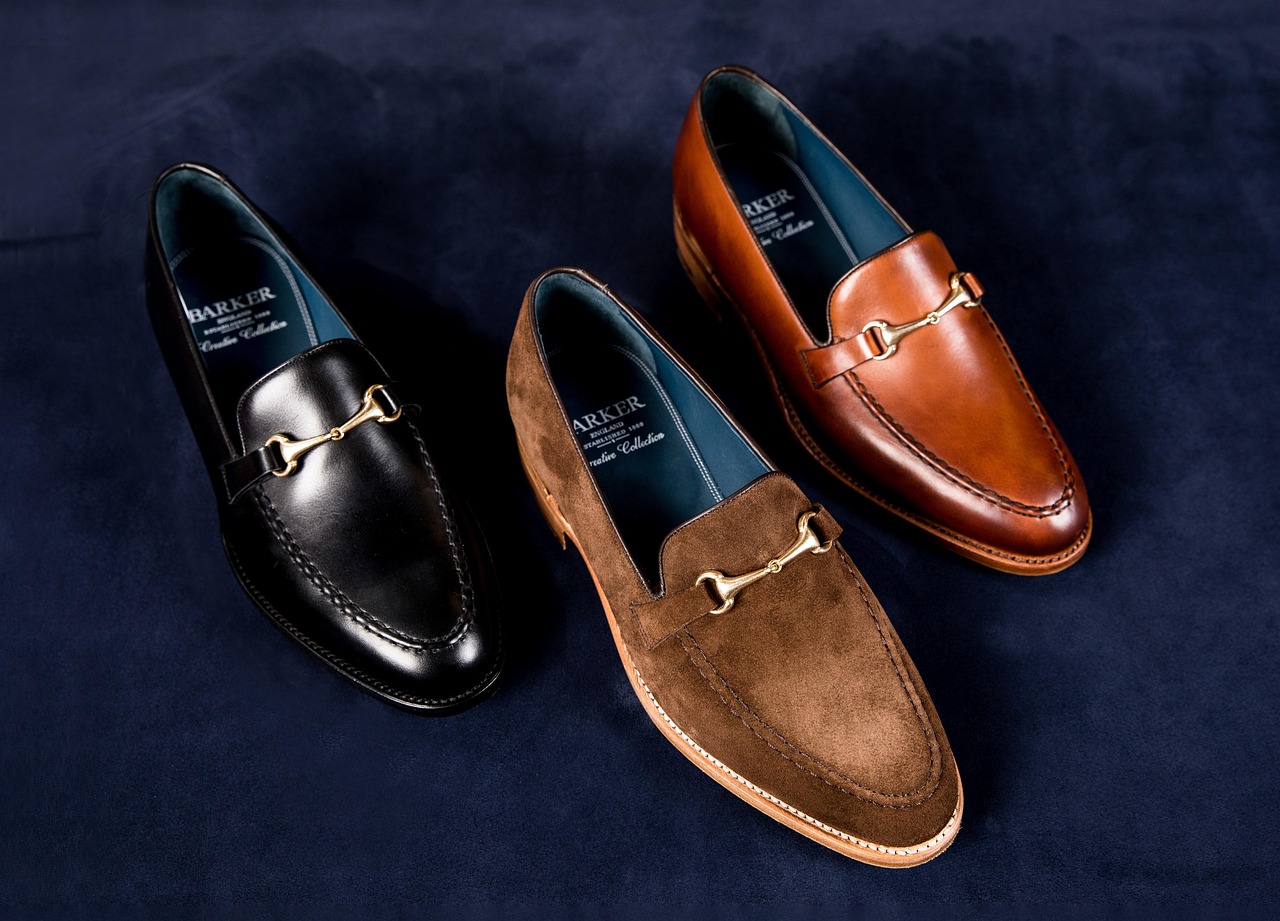
The idea that mens shoes need to be broken in before they're comfortable isn't just outdated—it's a consumer protection failure disguised as common sense.
Think about it. You wouldn't buy a mattress that gives you back pain and wait six months for it to 'soften up.' You wouldn't wear a shirt that digs into your shoulders and assume it'll stretch out eventually.
But with footwear? Somehow, pain became acceptable. Expected, even.
The truth is, well-made mens shoes in the right size should feel reasonably comfortable from day one. Not perfectly worn-in, but never actively painful. The difference matters—and most buyers don't know where that line is.
Not all discomfort is created equal. There's a difference between a shoe that needs a little time to settle and one that's quietly doing damage every time you wear it.
Some materials—leather dress shoes, in particular—do have a natural adjustment period. The upper might feel slightly rigid at first. The sole may not flex quite the way it eventually will.
Minor stiffness that eases over a few wears? That's acceptable. It's the material responding to the shape of your foot, not fighting against it.
If after a few wears things feel noticeably better, you're in the right pair.
Some signs aren't about adjustment. They're about fit—and no amount of 'breaking in' will fix a fundamental sizing or construction problem.
Watch for:
If any of these are happening, the shoes aren't going to get better. You're just going to get used to the damage.
Part of the problem is how confidently the advice gets passed around.
A salesperson says it. Your dad said it. A review mentions that the mens shoes 'took a few weeks to wear in nicely.' And so, the myth gets reinforced—by people who genuinely believe it, which makes it harder to question.
There's also a sunk cost element. Once you've paid for a pair of shoes, admitting they don't fit feels like admitting a mistake. So you push through, hoping things improve.
Sometimes they do. Often, they don't—and by then, you've already done the damage.
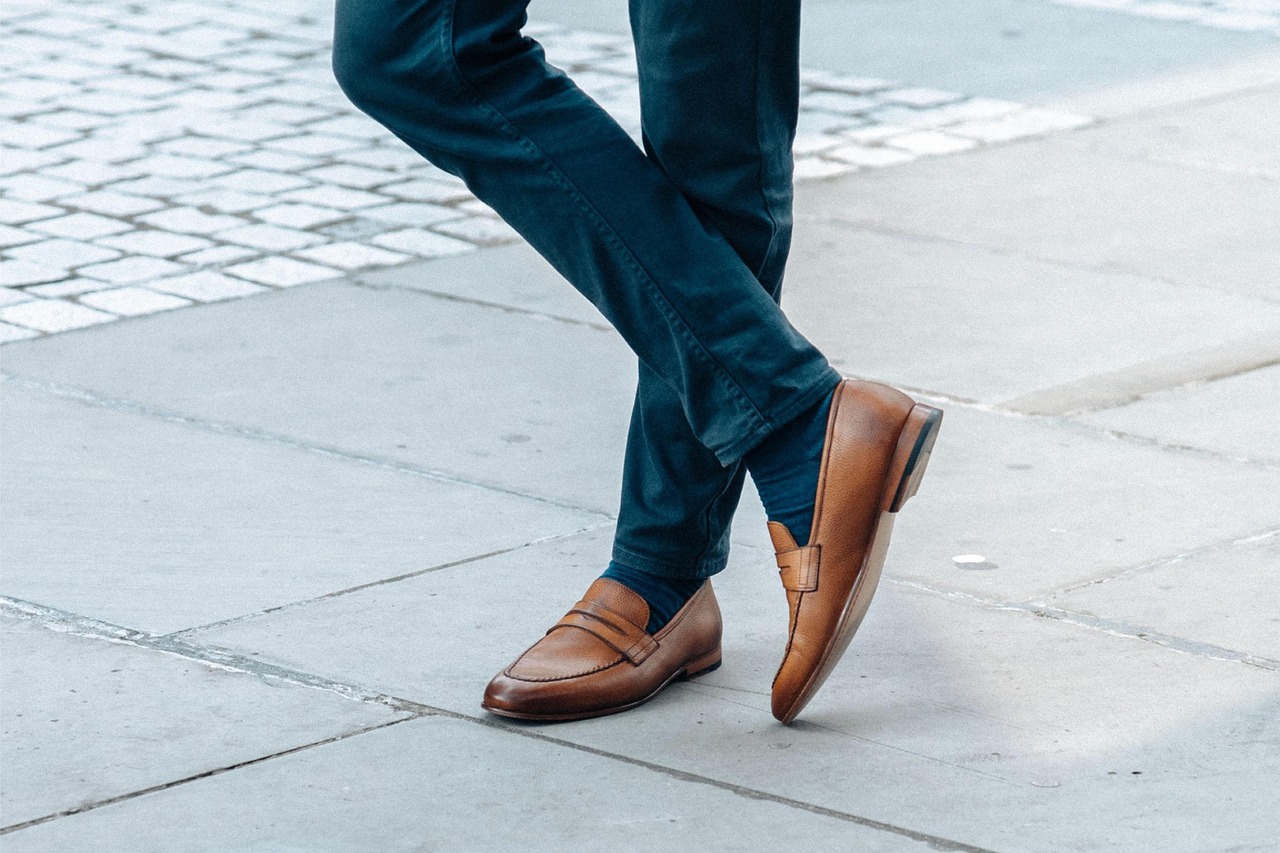
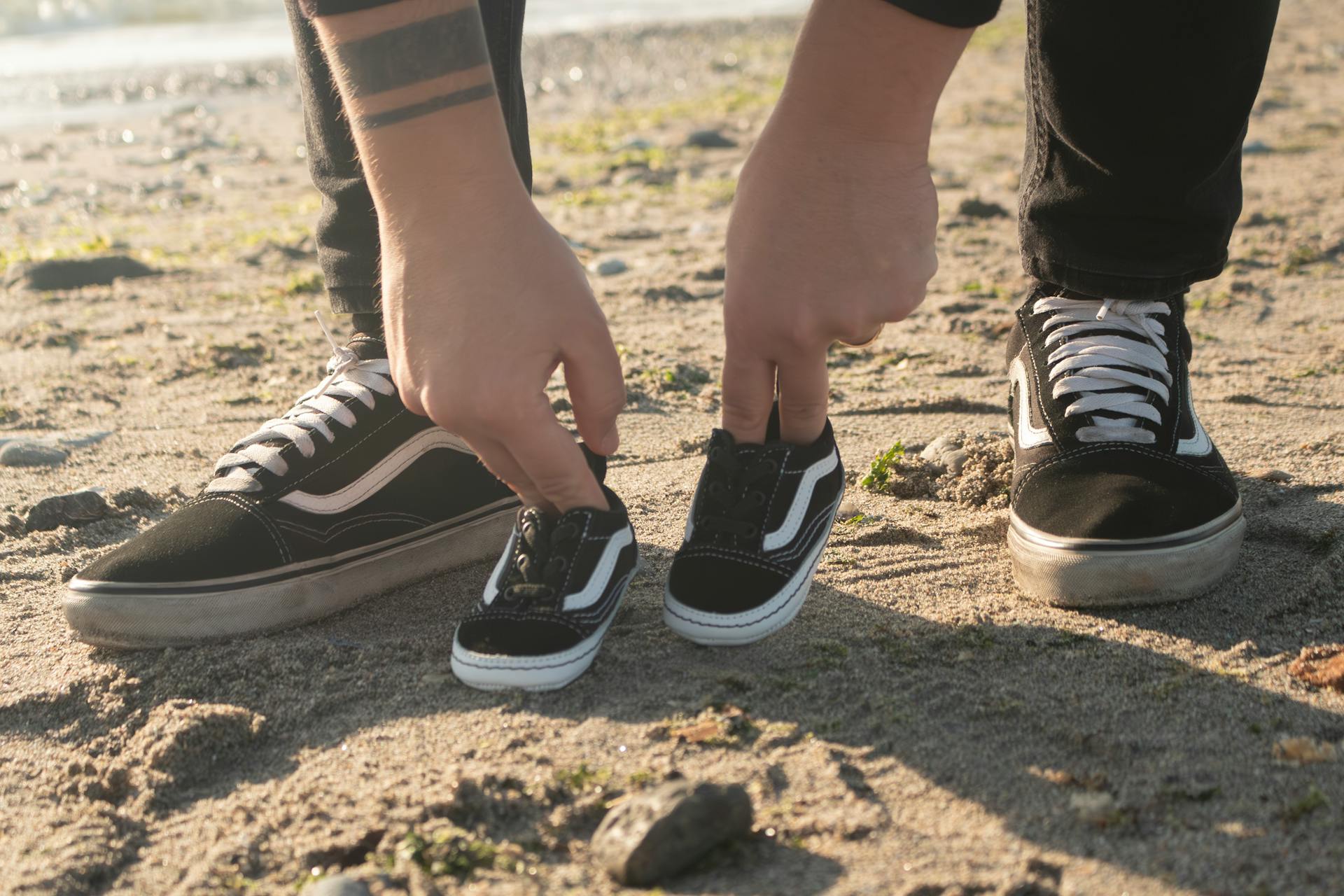
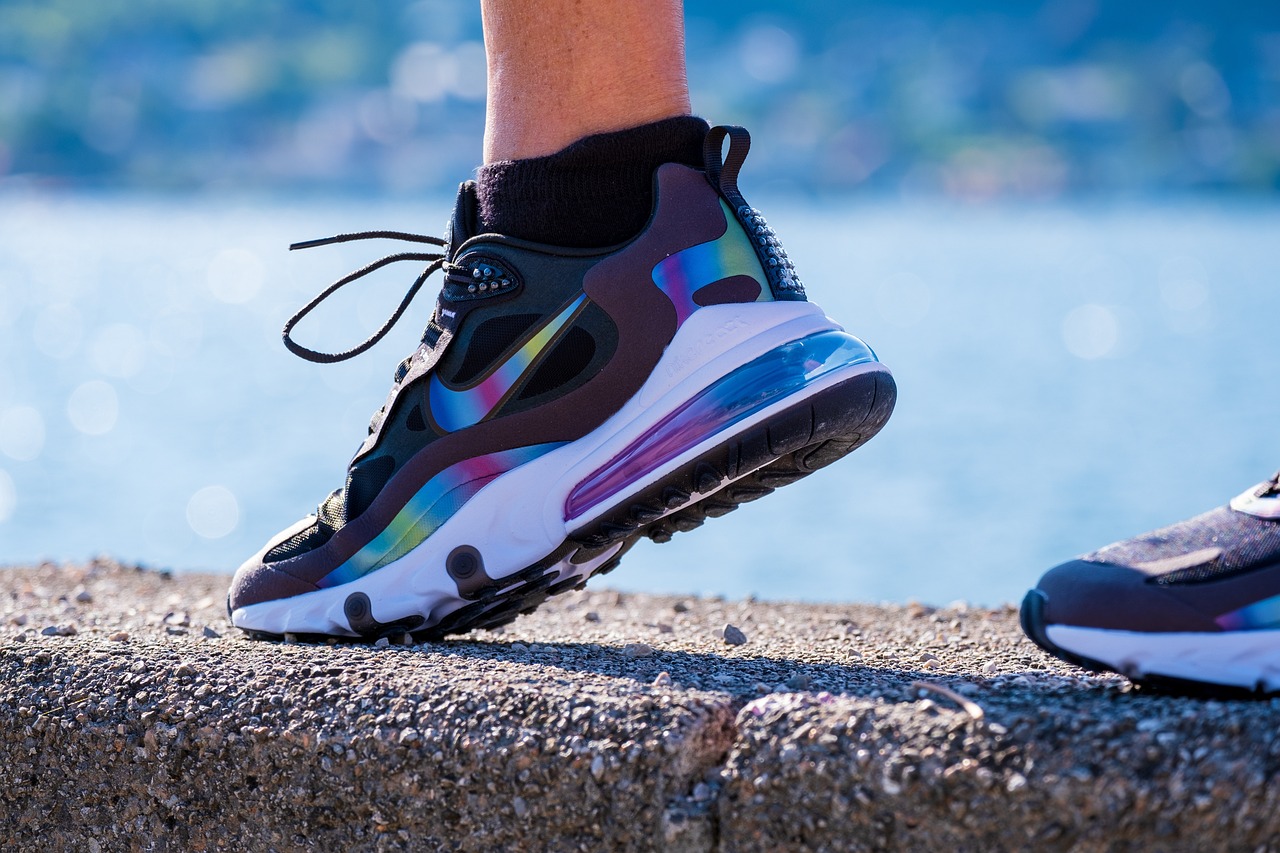
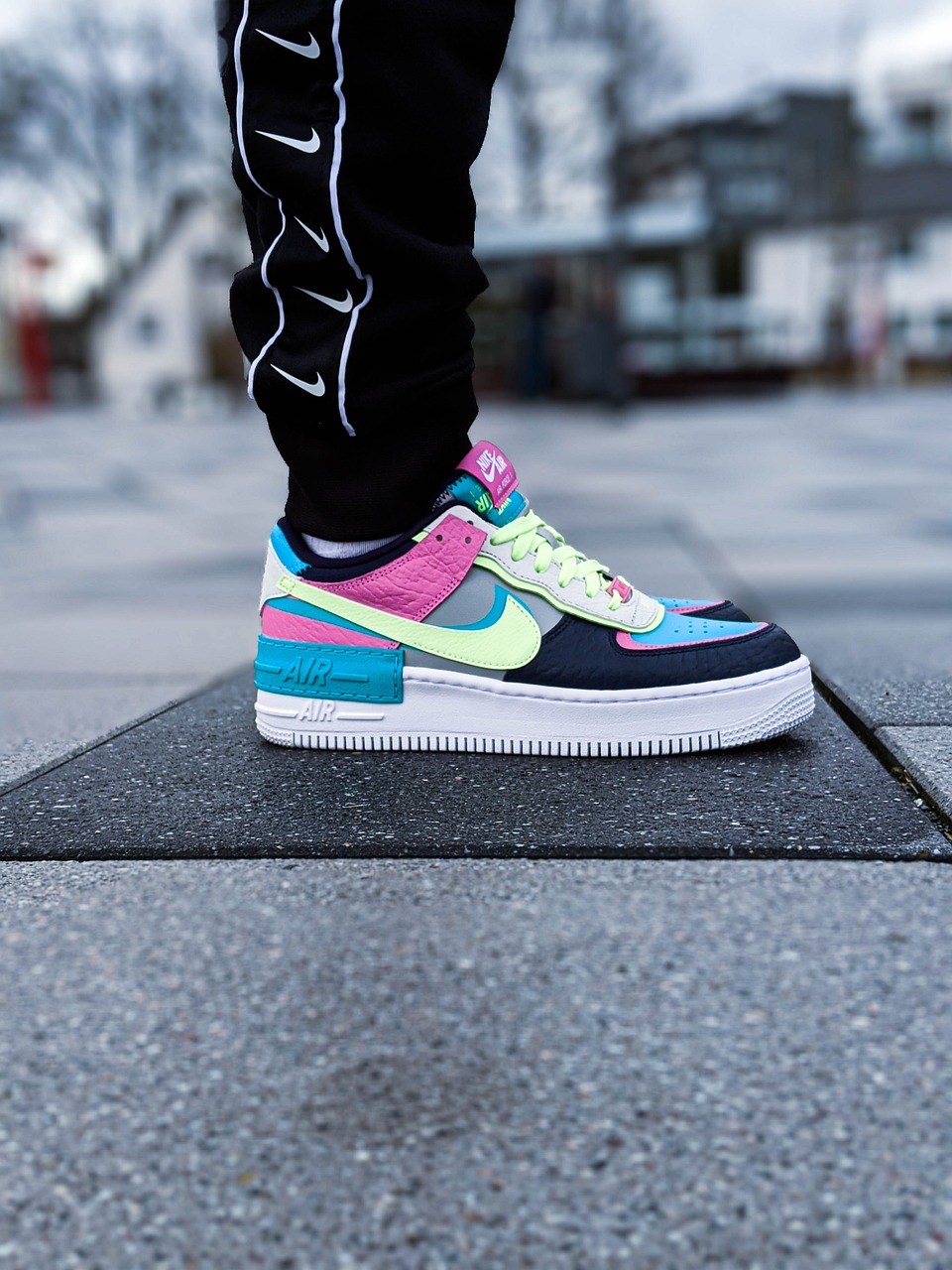
The better approach is to get it right before the shoes come home. Here's what to look for in construction and fit—before you commit.
Your toes should have room to splay naturally. In too many mens shoes—especially dress shoes and some sneakers—the toe box tapers aggressively toward the front.
Stand up in the shoes. If your little toe is pressing into the side, or your toes feel stacked, the toe box is too narrow. A thumb's width of space between your longest toe and the end of the shoe is the standard guide.
Walk around the store. There should be minimal heel slip—a few millimetres is normal, but your heel shouldn't be lifting significantly with each step.
Run your finger along the heel counter of any mens shoes you're considering. If it feels thin, rigid in the wrong places, or has exposed stitching near the top, it's likely to cause friction problems.
This matters more in running shoes and everyday footwear than in formal styles—but it's still worth paying attention to across the board.
Press your thumb into the midsole of the shoe. It should have some give, but shouldn't compress completely flat. A midsole with no cushion is going to translate ground force directly into your joints.
If you have high arches or flat feet, this step matters even more. Generic arch support works for some, but not everyone. Don't assume that because a pair of shoes feels fine standing still, it'll feel fine after an hour of walking.
The upper—the part of the shoe that wraps around your foot—tells you a lot about how it'll behave over time.
Full-grain leather in quality mens shoes will soften gradually and mould to your foot. Bonded leather and synthetic materials often don't behave the same way—they may crack or stay rigid instead.
For sneakers and athletic footwear, look at how the mesh or upper wraps around the heel and ankle. It should feel secure without digging in. If it's already rubbing when you're standing in the store, that's not going to improve.
Bend the shoe in your hand. It should flex at the ball of the foot—roughly where your foot naturally bends when you walk. If the shoe only bends in the middle or won't bend at all, the sole is working against your natural gait.
Also check the welt or bond between the upper and the sole. In quality mens shoes, this connection should be clean and even. If it's already separating or poorly finished before you've worn them, that's a construction issue no amount of use will fix.
Foot size changes over time. Feet swell during the day. Different brands size differently. And yet most people buy mens shoes based on the same size they've always bought—without ever questioning it.
If you're shopping in-store, measure both feet and fit to the larger one. Shop later in the day when your feet are at their fullest. Wear the socks you'd actually wear with the shoes.
Online purchases are trickier. Check return policies before buying, especially for men's shoes from brands you haven't tried before. A generous return window isn't just a convenience—it's the only way to properly assess fit without committing.
When mens shoes fit properly and are well-constructed, you'll know it.
They feel secure without squeezing. They support without forcing. And after a full day on your feet, you're not hobbling to the car thinking, 'They'll get better eventually.'
That's what good footwear feels like. Not perfect from the first second—but comfortable enough that you're not dreading wearing them again.
Running shoes should feel cushioned and responsive immediately. Dress shoes should feel snug but not tight. Casual sneakers should feel like they're working with your foot, not around it.
If you're buying men's shoes and the first thing you feel is pressure, pain, or pinching—that's information. Use it.
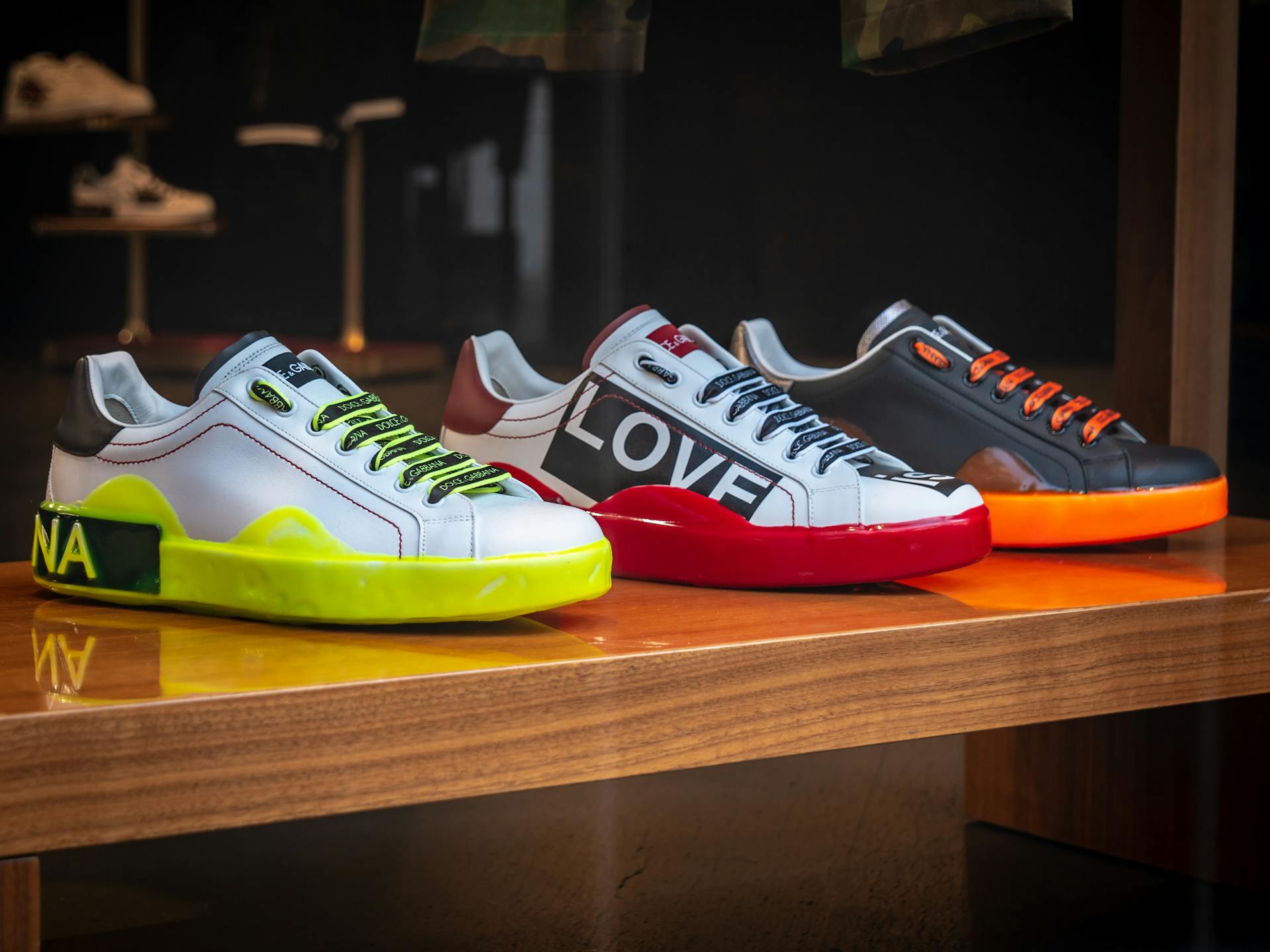
The breaking-in myth persists because it lets everyone off the hook. The brand doesn't have to make better shoes. The retailer doesn't have to help you find the right fit. And you just... suffer quietly and hope things improve.
But you don't have to accept that.
Minor stiffness that eases with wear? Fine. Numbness, heel shredding, or persistent pain? Not fine—and not something to push through.
The right pair of mens shoes should feel like a reasonable fit from the start. Check the toe box, test the heel, press the midsole, and bend the sole before you buy. And if something feels wrong in the store, trust that instinct.
Pain isn't a feature. It's a sign the shoe isn't right for you.
And no amount of 'breaking in' is going to change that.