(678) 999-8212

There’s a story most brides tell themselves before the big day. It goes something like this: “I’ll find the most beautiful wedding shoes, break them in a little, and they’ll be fine.”
And then the day arrives.
By hour three, the back of the heel is rubbing. By hour six, the balls of the feet are burning. By hour ten, the wedding shoes are sitting under the gift table while bare feet endure the dance floor instead.
This isn’t a story about being “weak” or “bad at heels.” It’s a story about biomechanics — and the gap between how wedding shoes are marketed and how they actually perform across a long, demanding day.
Once you understand what’s really happening inside the shoe, the decision becomes a lot clearer.
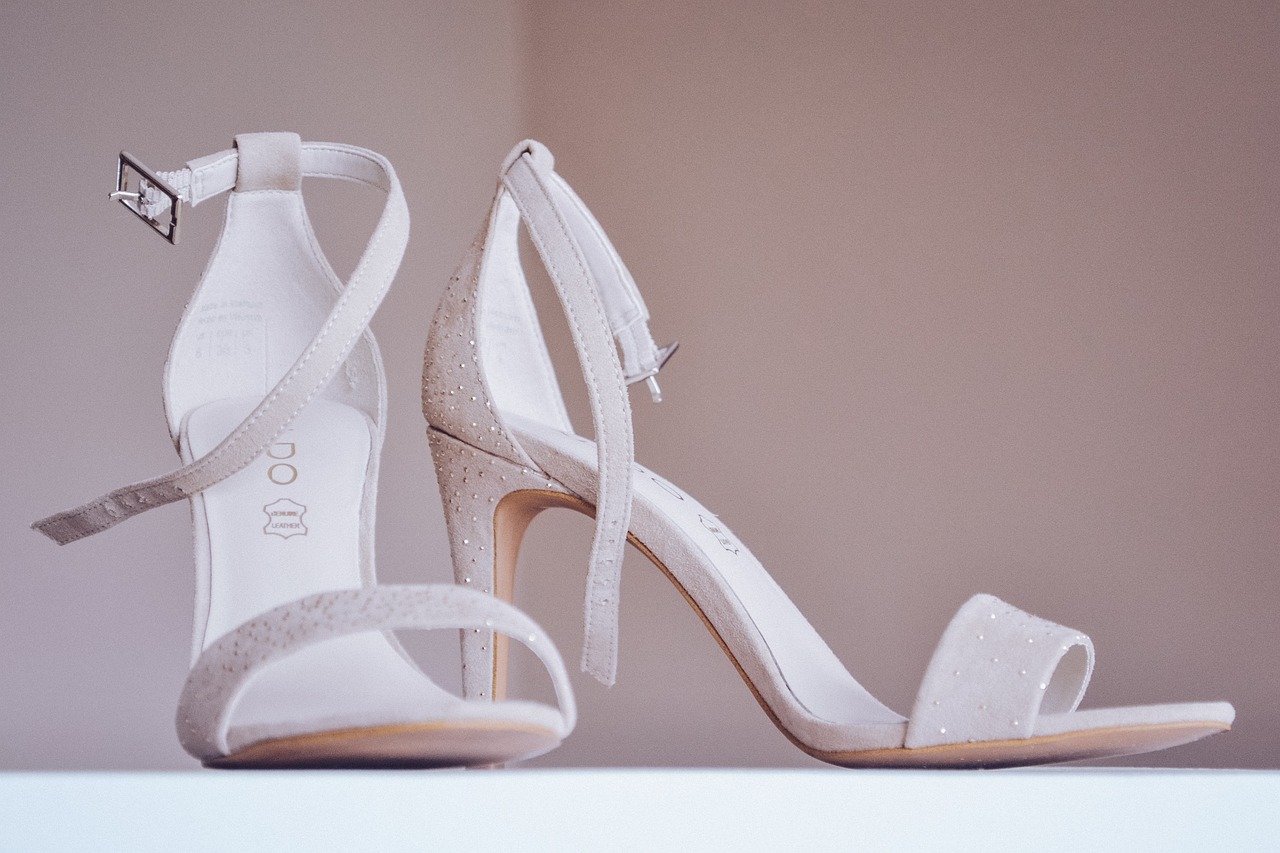
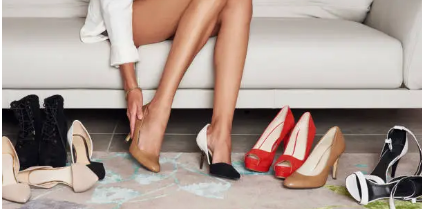
Most brides try on wedding shoes in a boutique, walk across a carpeted floor for thirty seconds, and declare them comfortable. That’s a reasonable test for a dinner party. It’s not a reasonable test for twelve or more hours of standing, greeting, dancing, and moving across grass, cobblestones, and polished floors.
What feels fine at 10 a.m. in a fitting room feels very different at 9 p.m. after photos, the ceremony, cocktail hour, a three-course dinner, and a full reception. The foot changes throughout the day. It swells — sometimes by as much as a full size — as circulation responds to sustained activity and warm environments.
That’s not a fitting room problem. That’s a design problem.
Cushioning is the first thing people reach for when they want comfortable wedding shoes, and it does matter — but not in the way most people assume.
A foam insole feels wonderful in the first two hours. The problem is that foam compresses under sustained load. By hour four or five, a thin foam layer has flattened considerably, and the foot is sitting much closer to the hard sole beneath it than it was at the start of the day.
What to look for instead: memory foam or gel inserts that are thick enough to retain some structure, or removable insoles that allow you to swap in your own orthotics. The key question isn’t “does it have cushioning?” — it’s “how does it hold up under prolonged compression?”
For brides who know they’ll be standing or dancing for hours, a pair of bridal flats with a well-engineered footbed will often outlast a cushioned heel that collapses by mid-reception.
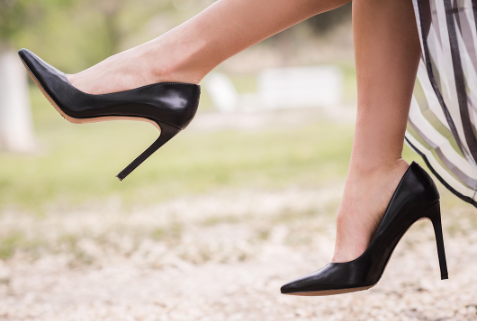
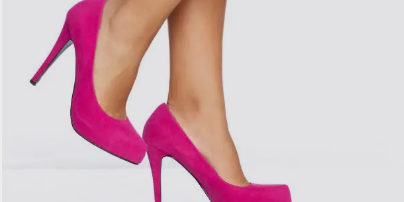
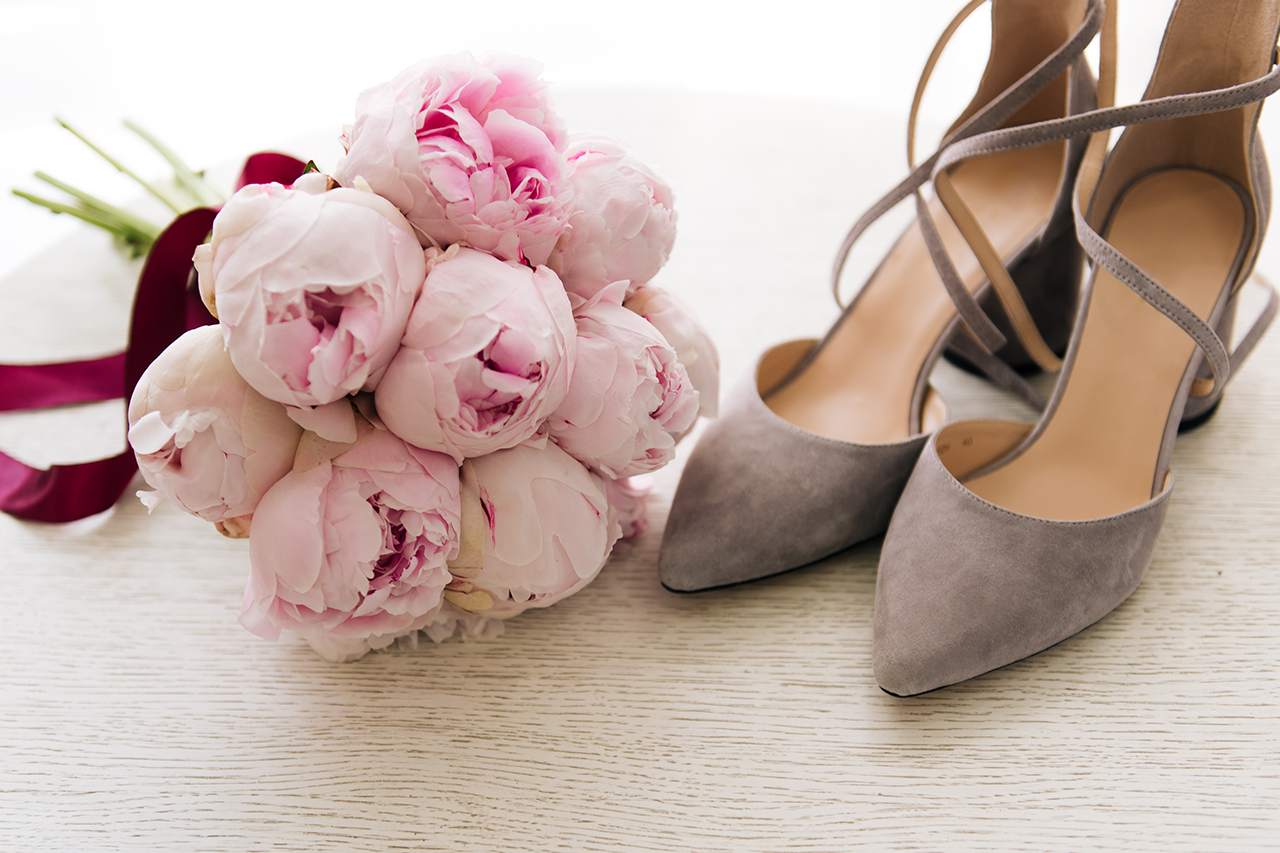
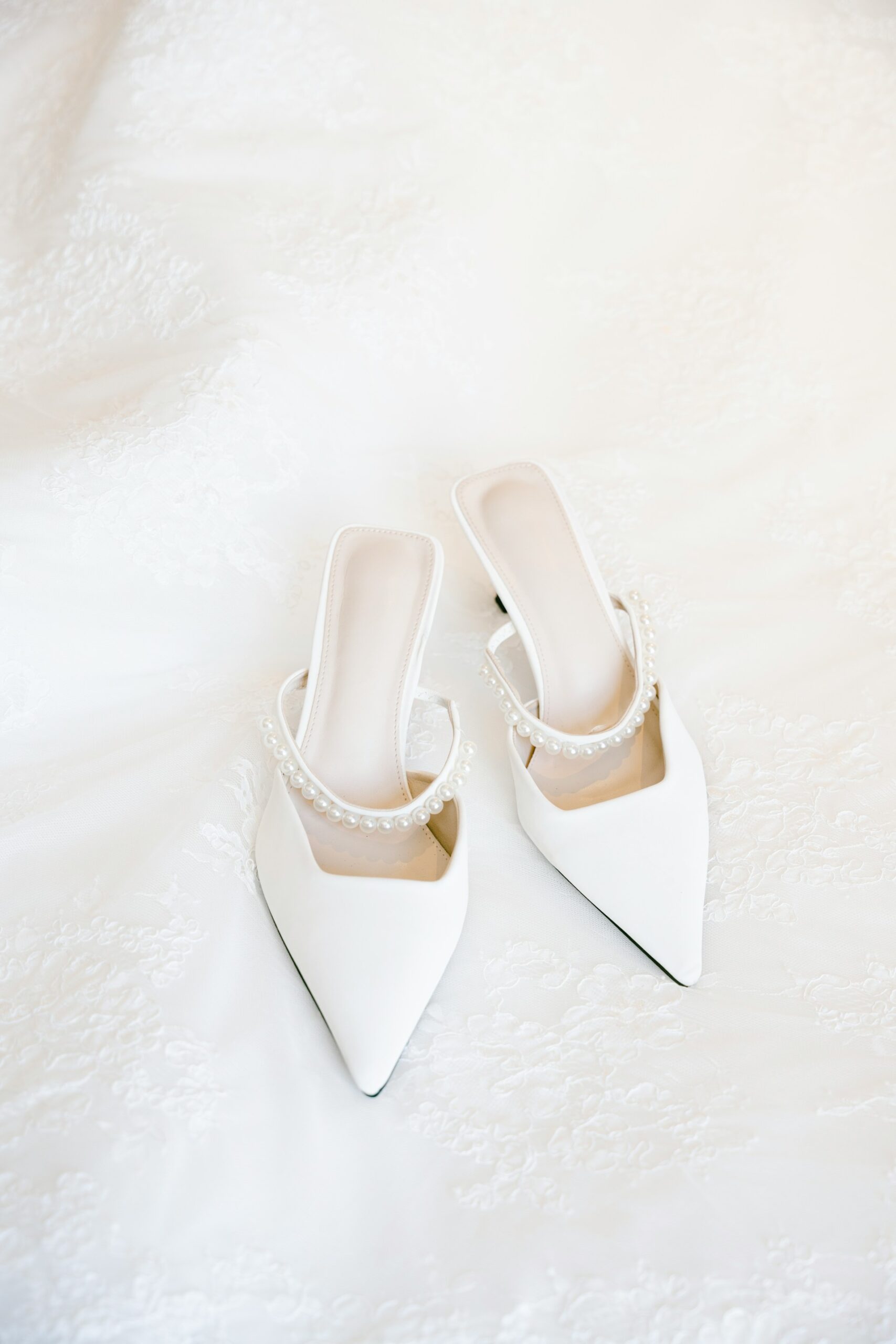
Here’s what’s actually happening when wedding shoes start to hurt.
Your body weight is distributed across the entire surface of your foot when you’re barefoot. The moment you add a heel, that distribution shifts dramatically forward. A four-inch heel can redirect up to 76% of your body weight onto the forefoot — specifically the metatarsal heads, those small bones just behind your toes.
Over twelve hours, that’s a significant and sustained load on a small area. The result is the classic ball-of-foot burning that most brides in heels experience by the second half of the reception.
White high-heeled shoes that have a metatarsal pad or built-in arch support help to spread that load more evenly. Even a lower heel height makes a measurable difference: moving from a four-inch to a two-inch heel can reduce forefoot pressure by more than 30%.
For brides who love height but want to last the full day, kitten heels and block heels both reduce pressure concentration compared to a stiletto, which channels load through a very small base.
Toe box shape is one of the most overlooked factors in bridal shoe comfort — and one of the most consequential.
A narrow, pointed toe box forces the toes together, which feels manageable at first. But toes need a small amount of room to spread slightly as weight is transferred during each step. Compress that movement over thousands of steps across a wedding day, and the result is pressure, friction, and often blistering along the sides of the smaller toes.
An almond-shaped or rounded toe box gives the foot room to move naturally without sacrificing the elegant silhouette most brides are after. Satin bridal shoes with a slightly wider toe box are often far more wearable across a long day than a sleek pointed-toe version in the same heel height.
When trying on wedding shoes, press gently on the toe box with your thumb. There should be roughly a thumbnail’s width of space between the end of your longest toe and the front of the shoe. If there isn’t, swelling throughout the day will close that gap entirely.
Straps do two things: they hold the shoe to the foot, and they determine where pressure concentrates across the upper.
A thin ankle strap on a heeled shoe creates a hard edge that digs into the skin when the foot swells. The same issue applies to straps across the instep or forefoot — a strap that felt snug but comfortable at 10 a.m. can feel like a tourniquet by 7 p.m.
Better strap design includes: wider straps that spread load across a larger surface, adjustable buckles that allow you to loosen slightly as the day progresses, and padded or lined straps that reduce friction against the skin.
A mule bridal shoe sidesteps the strap issue entirely by removing the back of the shoe, which eliminates heel rubbing. The trade-off is that the foot must work slightly harder to keep the shoe in place, which adds subtle muscular fatigue over a long day — something worth factoring into the decision.
One thing many experienced bridal stylists quietly recommend is planning for two pairs of bridal shoes: one for the ceremony and formal photos, and one for the reception.
The ceremony pair can be the shoes you love most — the ones that photograph beautifully, that sit perfectly under the dress hem, that feel like the right choice for that moment. You’ll wear them for a few hours in a controlled setting.
The reception pair is where comfort becomes the primary brief. Bridal heels and flats in the same colour family as the dress work well here — a lower heel, a wider fit, or a pair of bridal flats that allow you to actually enjoy the dancing without watching the clock.
There’s no rule that says you have to wear the same shoes all day. Most guests won’t notice. Your feet definitely will.
Break-in time matters, but it’s not just about softening the material. It’s about understanding how a specific pair of wedding shoes behaves across extended wear.
A practical test: wear your chosen wedding shoes for a full four to five hours on a day that involves standing, walking on different surfaces, and some dancing. Do this at least three to four weeks before the wedding — far enough ahead to make a different decision if needed.
Note where the pressure builds. Note whether the fit changes as your foot swells slightly. Note whether straps are loosening or tightening. That’s the real data — not how the shoes feel after thirty seconds on carpet.
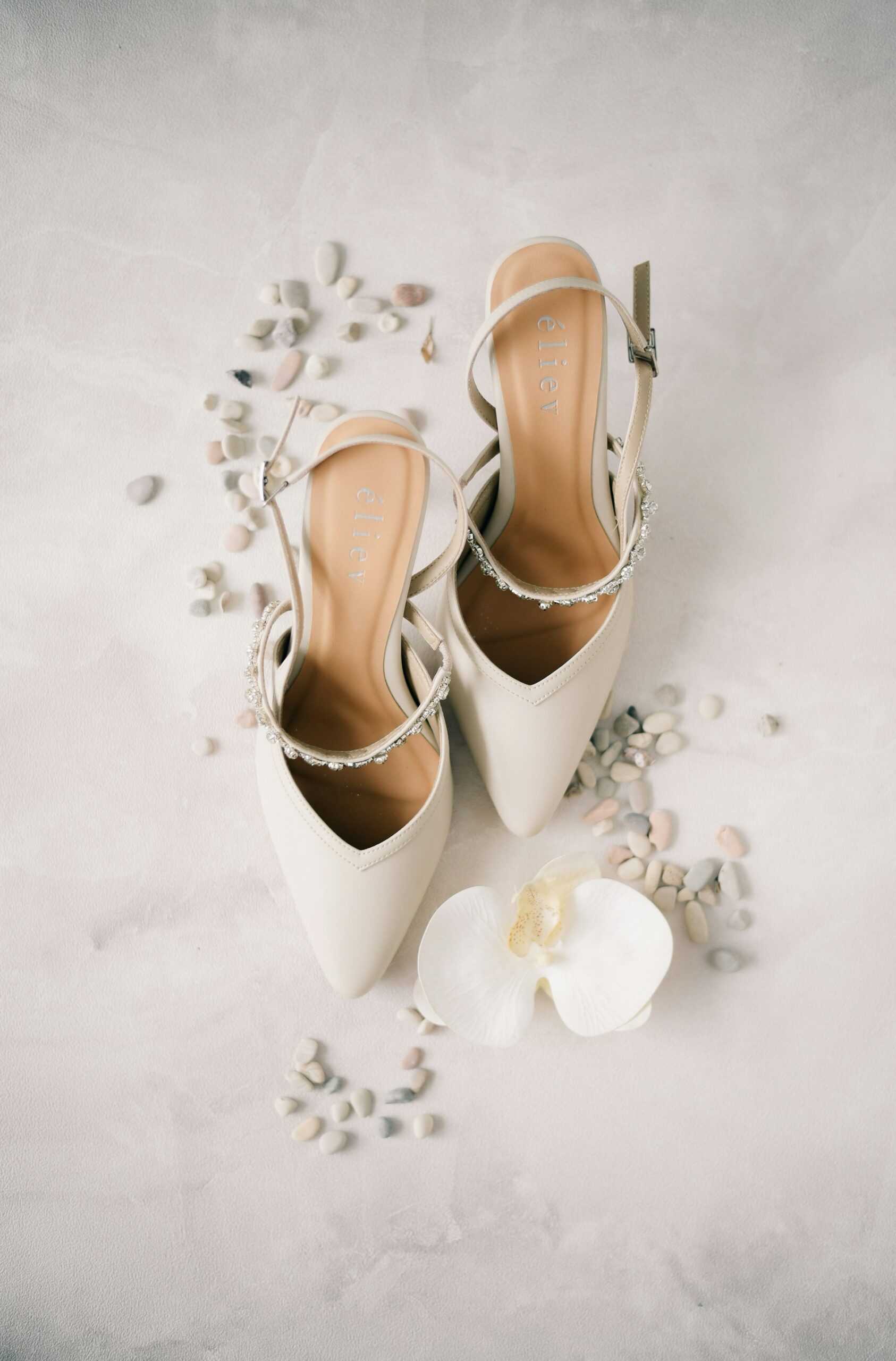
The best wedding shoes aren’t the ones that look most impressive in the box. They’re the ones that let you be fully present across the entire day — during the ceremony, through cocktail hour, across dinner, and well into the dancing.
That comes down to honest decisions about cushioning performance, pressure distribution, toe box fit, and strap design. It comes down to testing rather than assuming. And sometimes, it comes down to giving yourself permission to care more about how a shoe functions than how it looks on a peg.
A pair of bridal shoes that carries you comfortably through twelve hours is a far better choice than a perfect-looking pair you’re counting down to remove.
Because in the end, the wedding shoes that work best are the ones you forget you’re wearing — the ones that quietly support the day without ever demanding your attention.
And that’s the science worth knowing before you buy.