(678) 999-8212

Here’s something that gets said a lot: mules slip off. If you’ve ever tried a pair in-store, walked three steps, and felt your heel lift right out, you probably left thinking the shoe was the problem. Or worse, that your foot was.
It’s neither.
The truth is that mules have a specific fit logic that most people never get explained to them. And once you understand it, the whole “they never stay on” problem starts to look less like a flaw in the shoe and more like a solvable fit issue.
You don’t need to “learn” mules. You just need to choose them smarter.
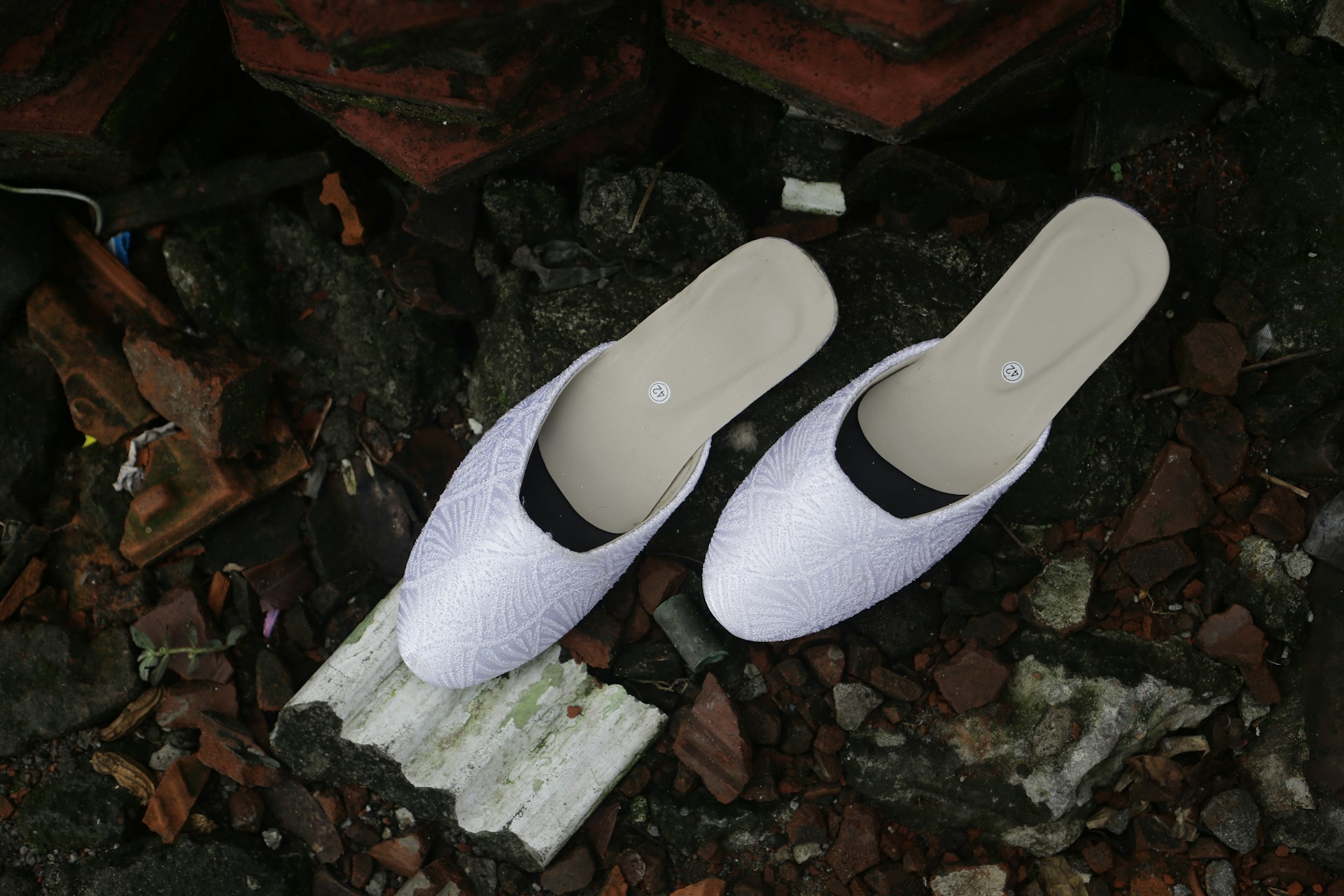
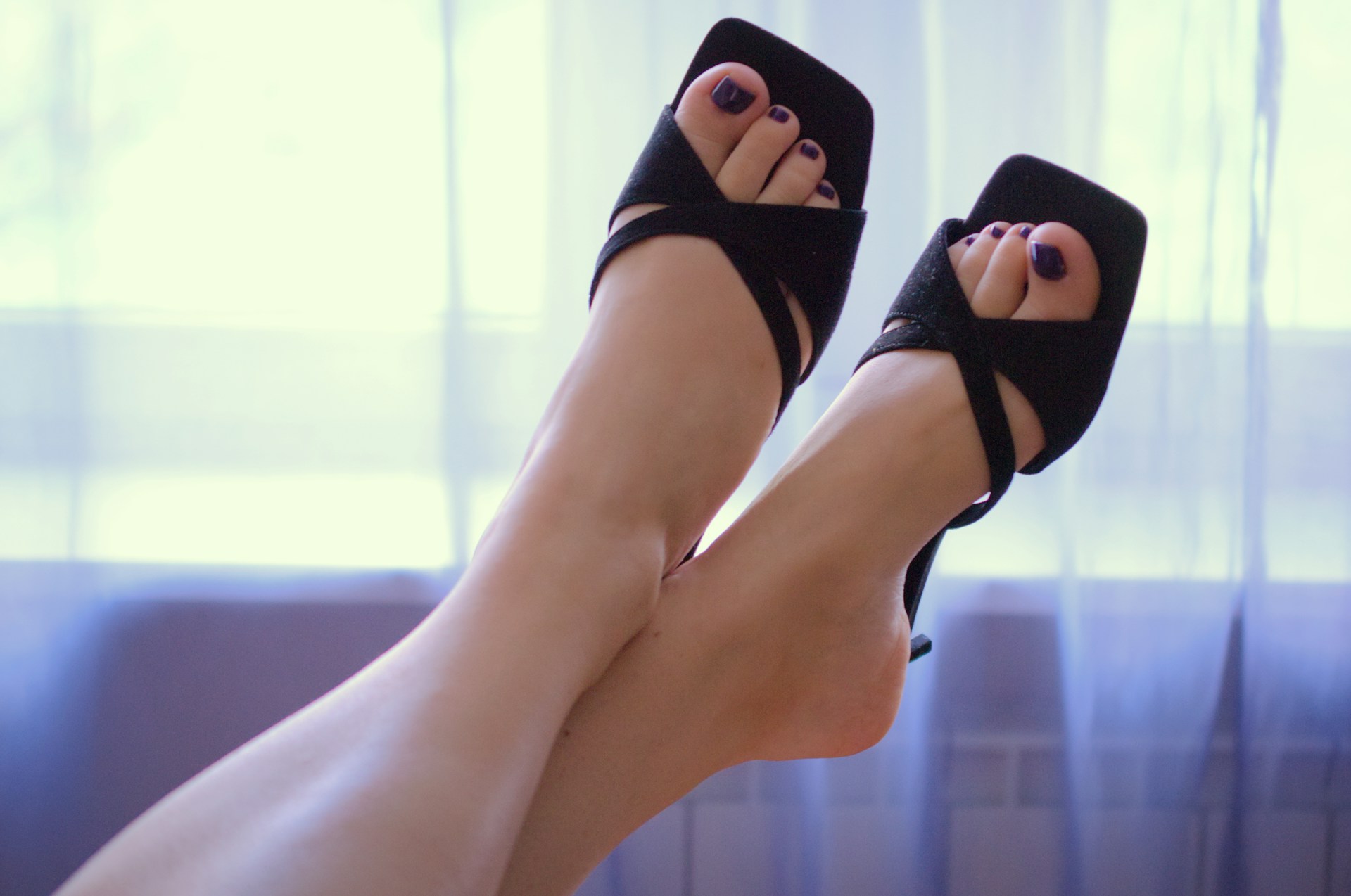
Mules are backless by design. That’s the whole point. But that open heel means the shoe has to hold onto your foot from the front—and if that front section isn’t positioned correctly for your foot shape, nothing else will compensate.
Most people blame the silhouette. But mule shoes that fit well stay on. Block heels, flat soles, kitten heels—the shape of the heel barely matters if the vamp placement is off.
The vamp is the part of the shoe that covers the top of your foot. And where it sits—how far forward or back it lands—determines almost everything about how the shoe stays put.
When the vamp sits too far back (too close to your toes), it doesn’t grip the widest part of your foot. The shoe slides forward with every step, and your heel lifts at the back. When it sits too far forward, your foot feels cramped and the shoe looks awkward.
The sweet spot is where the vamp crosses the widest point of your foot—usually across the ball. That’s the anchor point. Get it right and the shoe moves with you, not against you.
When you’re evaluating mules—whether you’re in a store or sizing up an online pair—these are the four things worth paying attention to.
This is the big one. The vamp should land across the widest part of your foot. If it falls significantly before or after that point, no amount of walking adjustment will make the shoe feel secure. When you slide your foot in, check where that top edge of the shoe hits. If it’s past the ball of your foot toward your toes, the fit is too shallow.
The footbed is the surface your foot actually presses against. Mule shoes with smooth, slippery footbeds are working against you from the start. A textured footbed, a slight contour, or a light grip lining gives your foot something to settle into. This matters most with heels for women that have narrower footbeds—less surface contact means grip becomes even more important.
This one surprises people. Too much toe room is just as problematic as too little. When your toes have nowhere to press forward against, your foot slides around inside the shoe. You want a small amount of breathing room—roughly a thumb’s width—but not so much that your foot shifts with every step.
Block heels and chunkier soles naturally distribute your weight more evenly, which makes them more forgiving in terms of balance. Thinner heels require more precision in vamp placement to compensate. If you’re new to mules or returning after a bad experience, starting with block heels is a practical first step—not because the other shapes are unwearable, but because there’s more margin for error while you figure out your fit preferences.
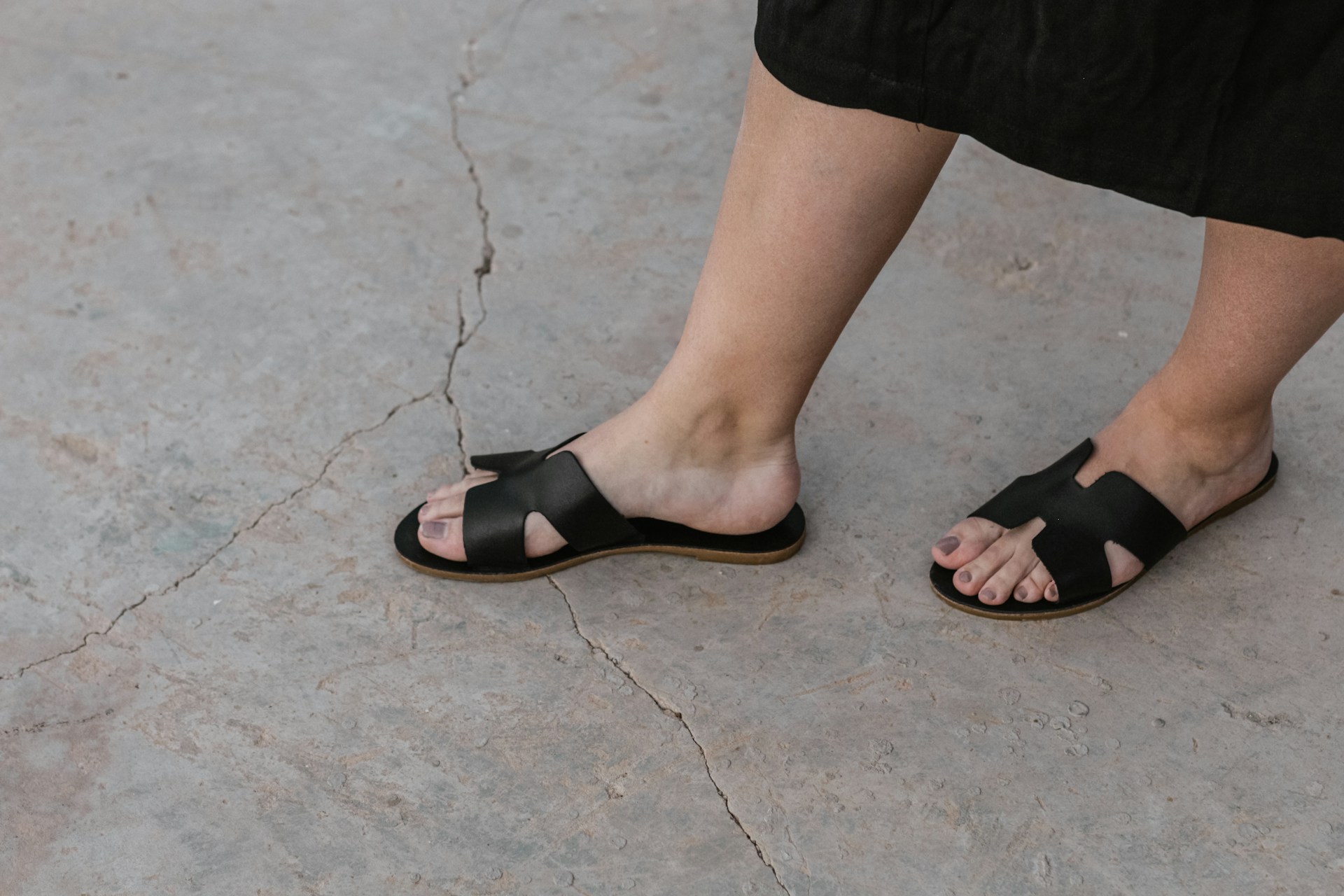
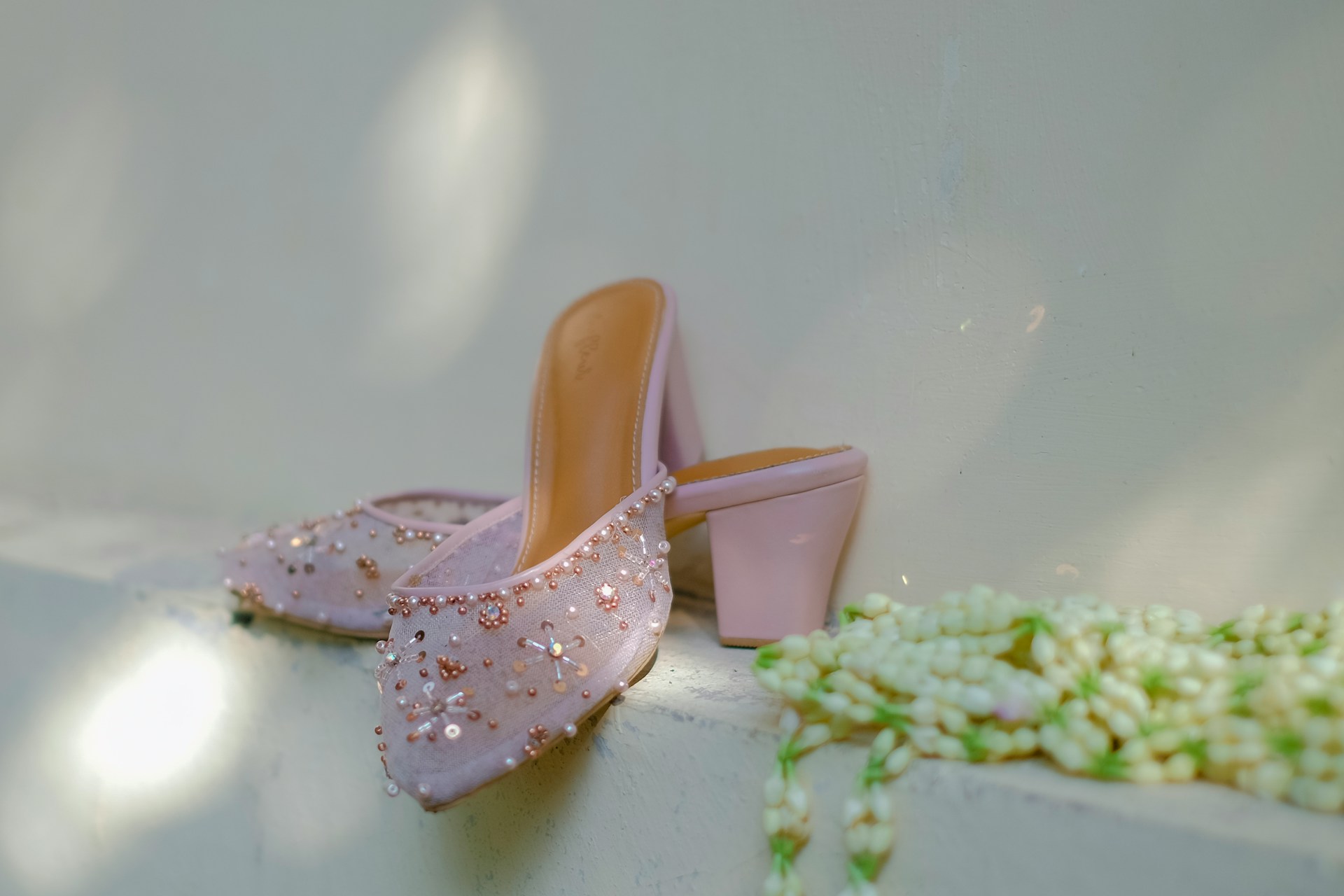
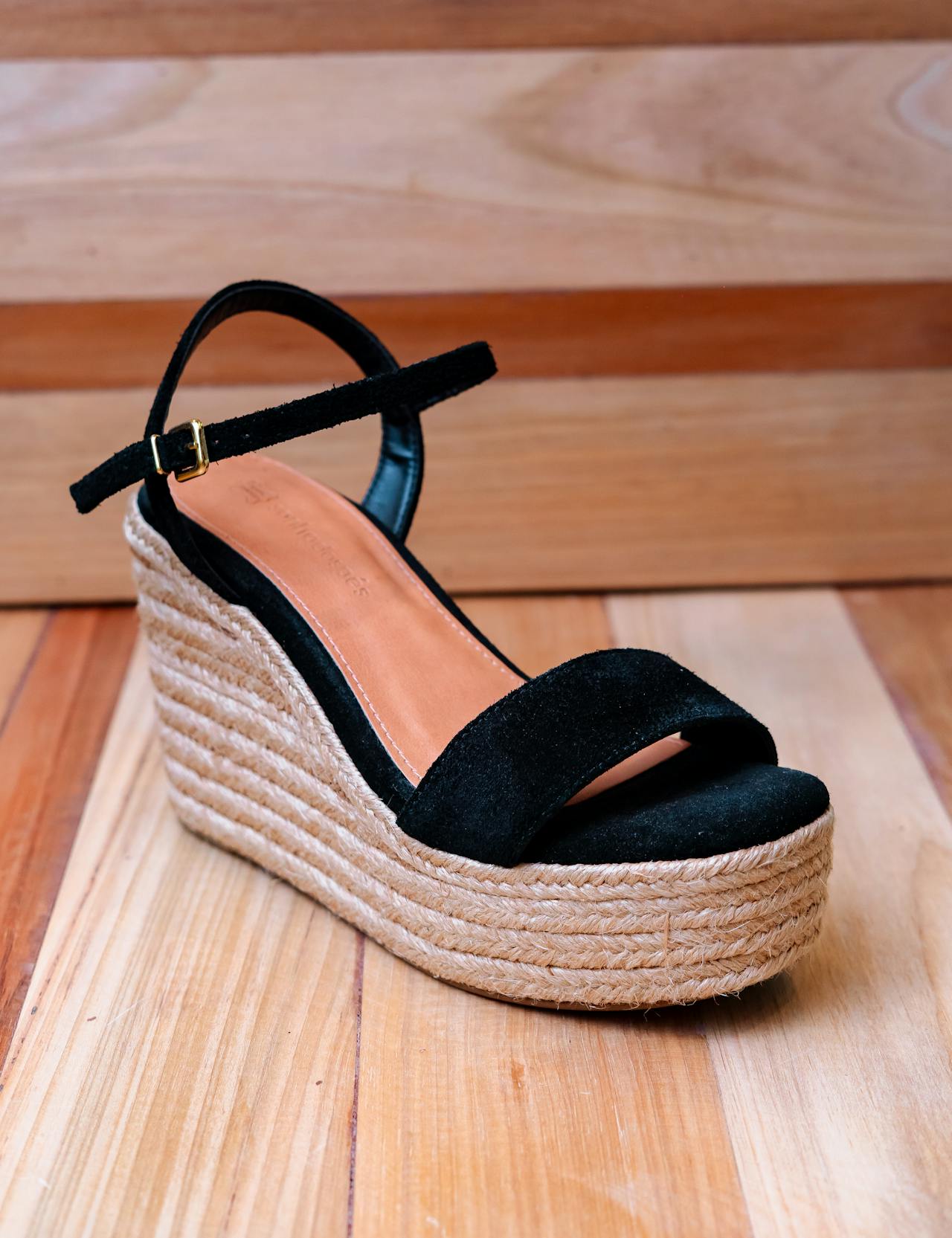
You don’t need to be a fit expert. You just need a few quick checks that tell you whether a shoe is worth buying or whether it’s going to frustrate you for months.
Put on the mules and walk at your normal pace for about ten steps. Notice:
If any of those are yes, the fit isn’t working. It’s not the style. It’s the size, the vamp position, or the footbed—and it’s worth trying a different pair before assuming mules just aren’t for you.
Stand flat-footed in the shoes. Slowly lift your heel just slightly off the ground—about a centimetre. Does the shoe come with it, or does it stay on the floor? A well-fitted pair should feel like it moves with your foot, not like you’re fighting to drag it along. Significant lag here is usually a vamp placement issue.
Look down at the toe box. Are your toes right at the edge or hanging slightly over? Or are they sitting well back with a lot of room ahead? You want your toes to sit comfortably near—but not beyond—the front edge of the shoe. Too much space and the shoe is too long, which affects how the whole sandal or mule sits on your foot.
Flat mules and heeled mules feel different because they shift your weight differently.
With flat mules, your weight is evenly distributed, which means fit has to do more work. A slightly-off vamp placement is more noticeable because there’s no heel lift to redirect your weight forward. Grip on the footbed matters more here too.
With heeled mules—especially block heels for women, which are currently everywhere—a small amount of heel height naturally pushes your foot into the toe box, which can actually help with retention. This is why some people find heeled mules easier to wear than flats. It’s not magic; it’s physics.
What this means practically: if flat mules have been sliding off you, try a pair with a slight heel before giving up on the style entirely. Even a 3–5cm heel can make a noticeable difference to how the shoe sits on your foot.
Standard shoes are built around a standard width. Most mules, like most sandals and heels, are designed with an average foot in mind.
If you have a wider forefoot or a high instep, the vamp might feel tight or sit uncomfortably before it ever reaches the right position. If you have a narrow foot, the shoe may sit correctly but still slip because there’s simply not enough contact.
Neither of these situations means mules don’t work for your foot. It means the specific pair isn’t designed for your proportions. Brands vary significantly in their width assumptions, and trying a half-size up or down—or looking for labels that specify wide or narrow fits—can solve the problem entirely without needing to change the style.
Buying mules online is harder than buying regular shoes, but it’s not impossible. You just need more information before you commit.
A few things worth checking in product descriptions and reviews:
Reviews from people who mention similar foot shapes or fit concerns to yours are worth their weight. If three people with wide feet say a specific pair runs narrow, trust that over the general sizing guide.
There’s a certain confidence that comes from wearing mules well—the effortless, slightly unhurried look of someone who isn’t worried about their shoes falling off.
That confidence isn’t learned. It’s just what happens when the fit is right.
A lot of people who write off mules as unwearable are actually just one better-fitting pair away from loving them. The “skill” of wearing mules isn’t really a skill—it’s just having shoes that fit properly and don’t require you to compensate with your stride or your toes.
Heels for women, sandals, mule shoes—they all share the same core truth: comfort follows fit. When the shoe is built for your foot, you stop thinking about it. And when you stop thinking about your shoes, you start enjoying wearing them.

Mules reward a bit of upfront attention. Not expertise—just intention.
Check the vamp placement before you buy. Do the walk test before you commit. Notice whether the footbed gives your foot something to grip onto. And if heeled mules have worked better for you than flats in the past, that’s useful data—not a coincidence.
The best mules for you aren’t the trendiest pair or the most expensive. They’re the ones where all four fit points align with your foot—where the vamp sits right, the footbed holds, the toes have just enough room, and the heel feels stable from the first step.
Once you find that, the whole “mules don’t work for me” story rewrites itself quietly.
And that’s really all there is to it.