(678) 999-8212

There's a moment most loafer wearers know well.
You're about an hour into wearing a new pair — walking to lunch, maybe, or heading into a second meeting of the day — and something shifts. Not dramatically. Just a small, insistent rub at the back of your heel. Then a pinch along the side of your foot. By the end of the day, you're half-limping and silently swearing off the whole style forever.
Here's the thing. It wasn't bad luck. It wasn't your feet. It was the shoe — specifically, the parts of the shoe that most people never think to look at before buying.
This isn't about wearing thicker socks or breaking them in slowly. It's about understanding which construction details actually determine whether your loafers feel like a second skin or a slow-moving instrument of torture.
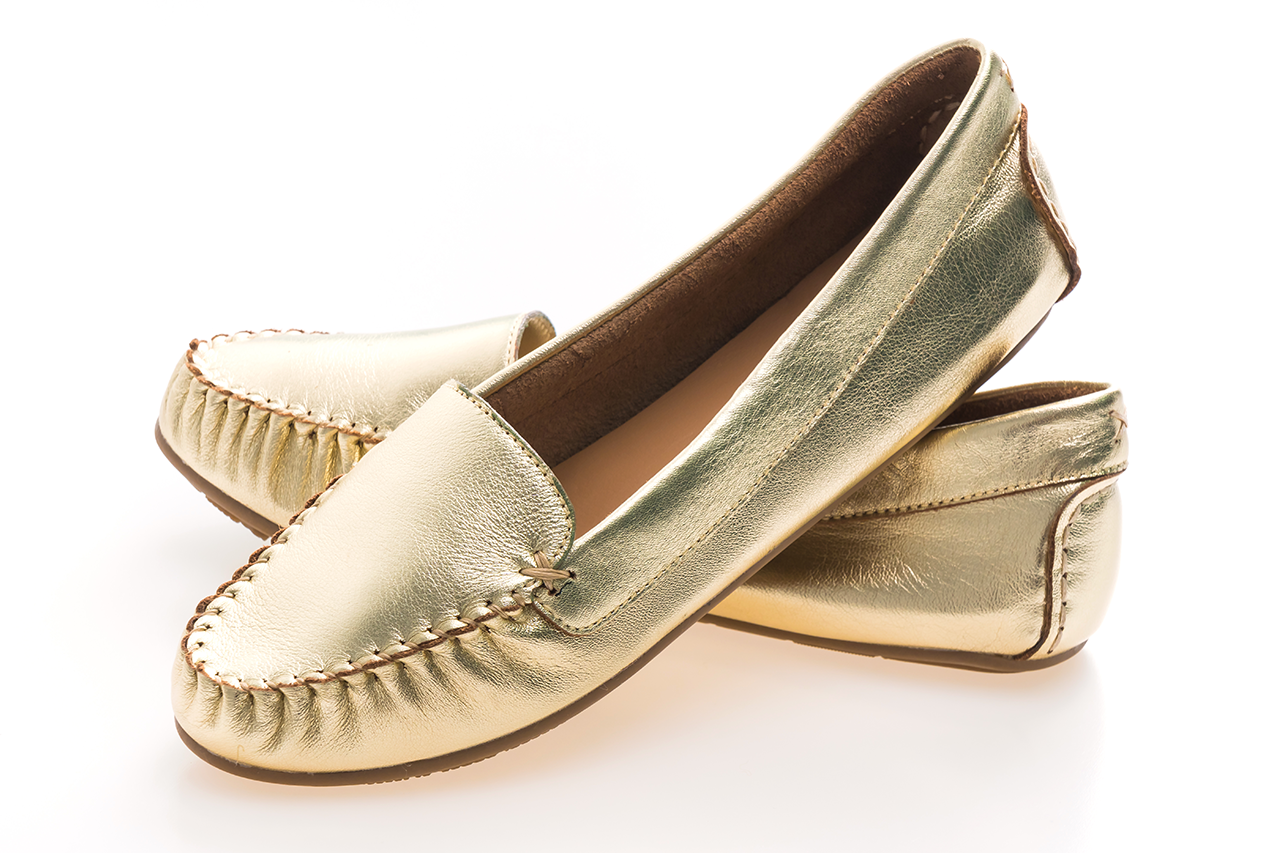
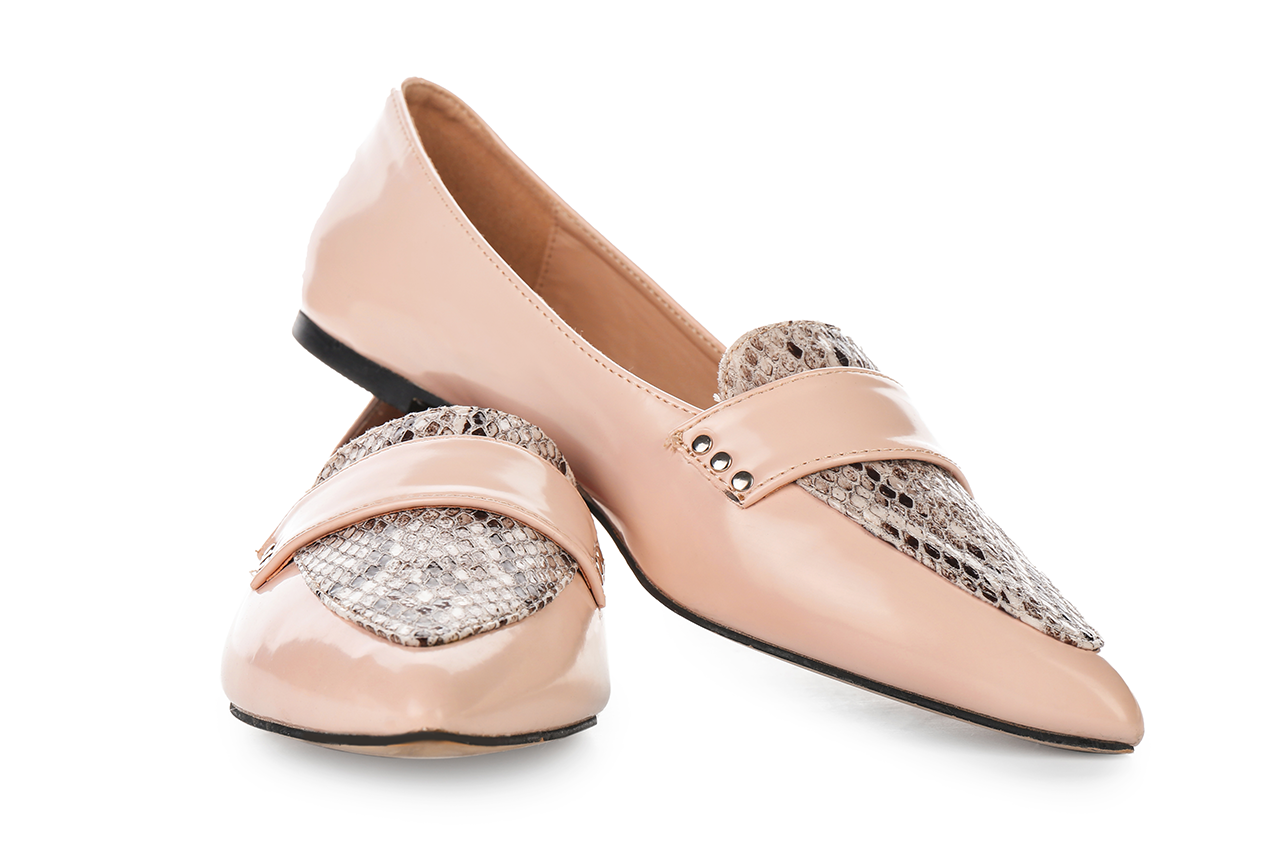
Before getting into the components, it helps to understand where blisters actually form — and why.
The back of the heel is the most common casualty. That's where your skin sits closest to the shoe's structure, where friction is highest, and where poor fit becomes painful fastest. Then there's the inside edge of the foot near the arch — often pinched when the vamp (the front section of the shoe) sits too low. And finally, the little toe region, where a narrow last or stiff upper presses in with every step.
Each of these zones is created by a specific construction feature. Once you know which feature causes which problem, choosing the right loafers stops feeling like guesswork.
The heel counter is the stiffened section built into the back of the shoe. Its job is to hold your heel in place and stop it from sliding side to side. When it's designed well, you barely notice it. When it's wrong, your skin pays for it.
A counter that's too rigid — often found in cheaper loafers with plastic reinforcements — sits against your heel like a sharp ledge. Every time your foot flexes forward and pulls back, that edge drags across the same patch of skin. This is where deep, raw blisters form. Not from the shoe being too tight, but from the counter's edge being too abrupt.
Conversely, a counter with no real structure at all causes your heel to slide upward with each step, creating constant friction across a wider area of skin. You end up with a broad, shallow blister rather than a deep one — but it's no less miserable.
The sweet spot is a counter that's firm but finished. Look for loafers where the heel counter has a smooth, rounded upper edge, curves gently inward to cup the heel, and has no hard seam or sharp stitching sitting right where skin contact happens. Run your finger around the inside back edge of any pair you're considering. If it catches on anything, that texture will catch on your heel too.
The topline is the opening of the shoe — the edge that your foot steps through. On loafers, this edge sits somewhere between your ankle and the back of your heel, and its height relative to your foot determines whether the shoe stays on comfortably or creates a grinding contact point.
A topline that sits too low at the back will allow the shoe to slip, which means your foot compensates by gripping, which means your heel rubs harder against the counter. It's a chain reaction that ends with broken skin.
A topline that sits too high can press directly into the back of the ankle — a spot that feels fine when you're standing still and becomes excruciating after thirty minutes of walking.
The ideal topline height cradles the back of the heel just below the ankle bone without pressing on it. When you stand in the shoe, there should be no sensation of the edge digging in anywhere. That sounds obvious, but it's easy to miss during a two-minute try-on in a shop, when the real test only shows up after an hour on your feet.
This detail matters even more in wide fit shoes, where the topline opening tends to be proportionally larger. A wider opening that isn't shaped correctly can gape at the back, allowing the heel to bounce with each step rather than sitting securely.
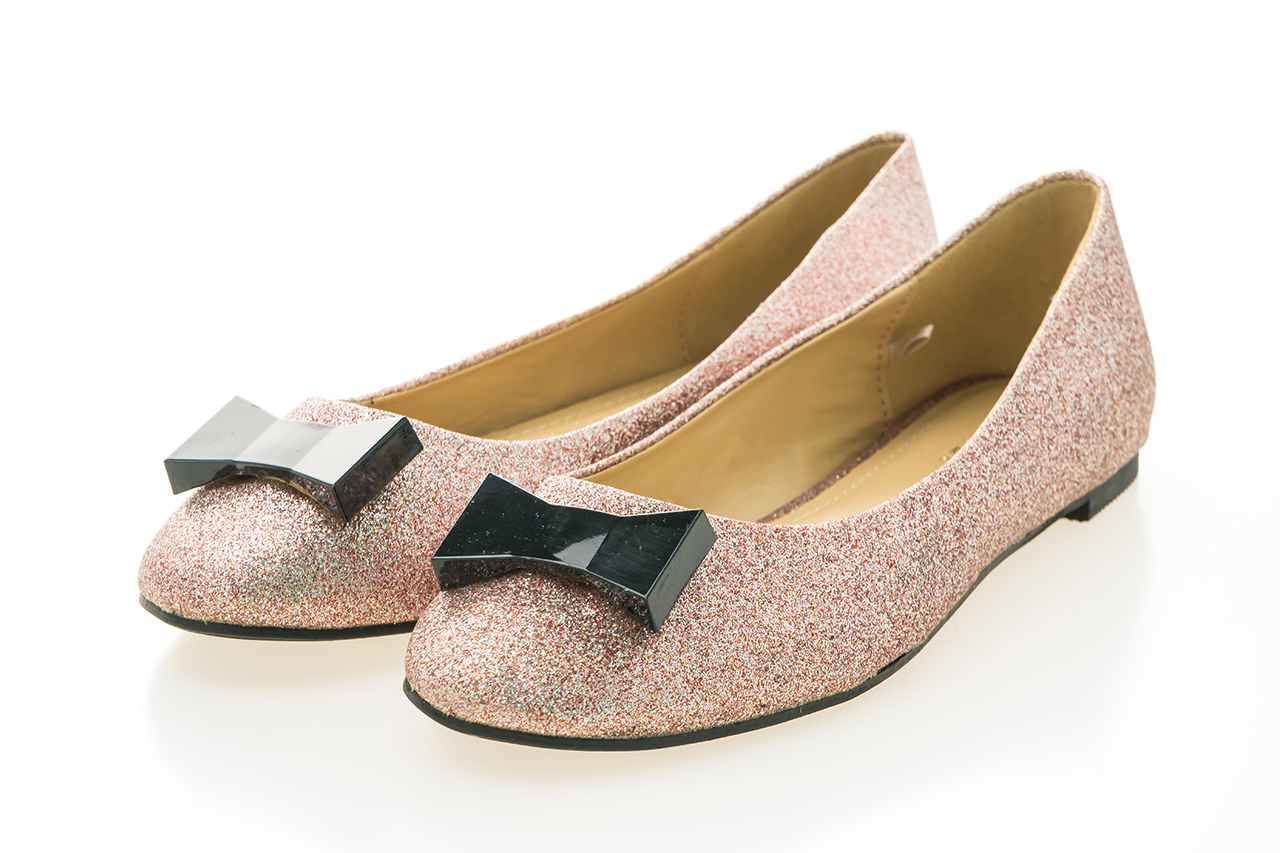
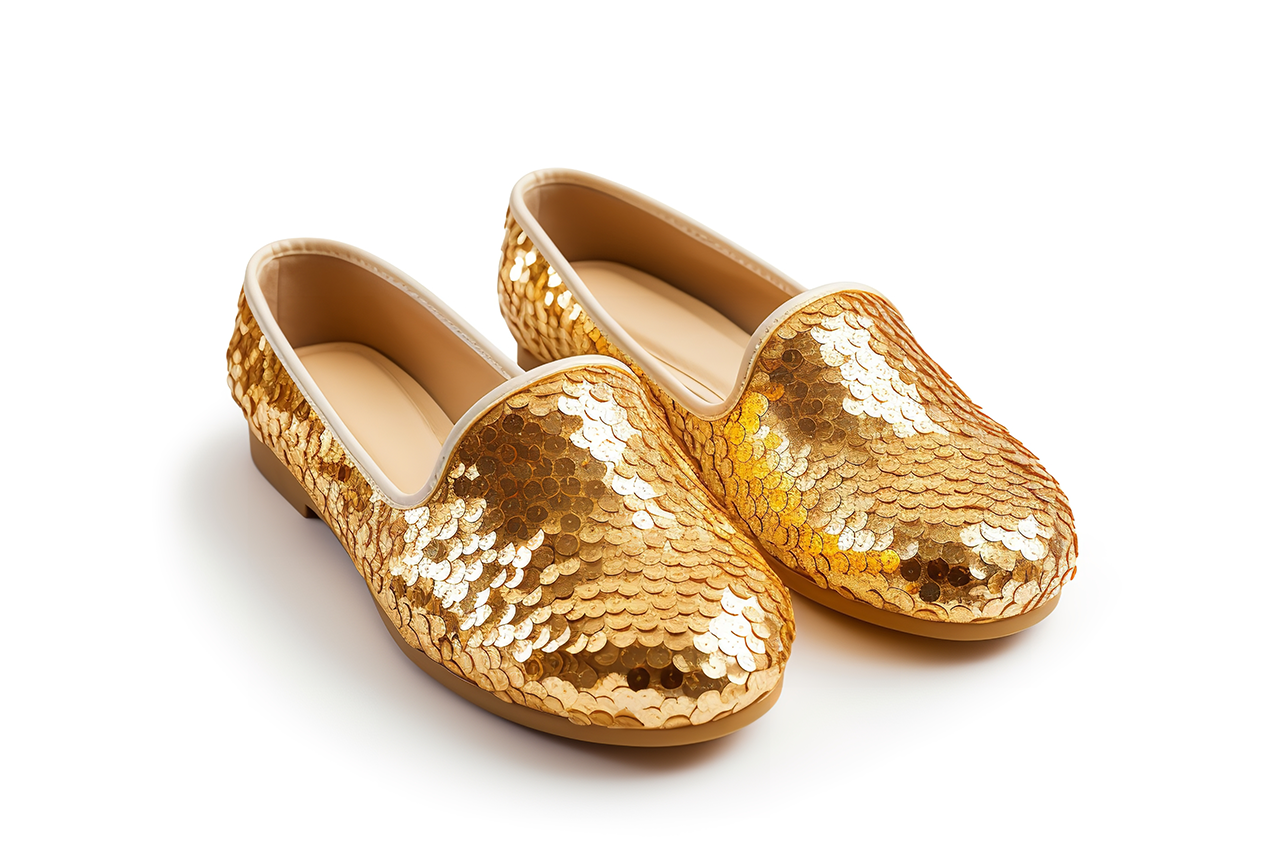
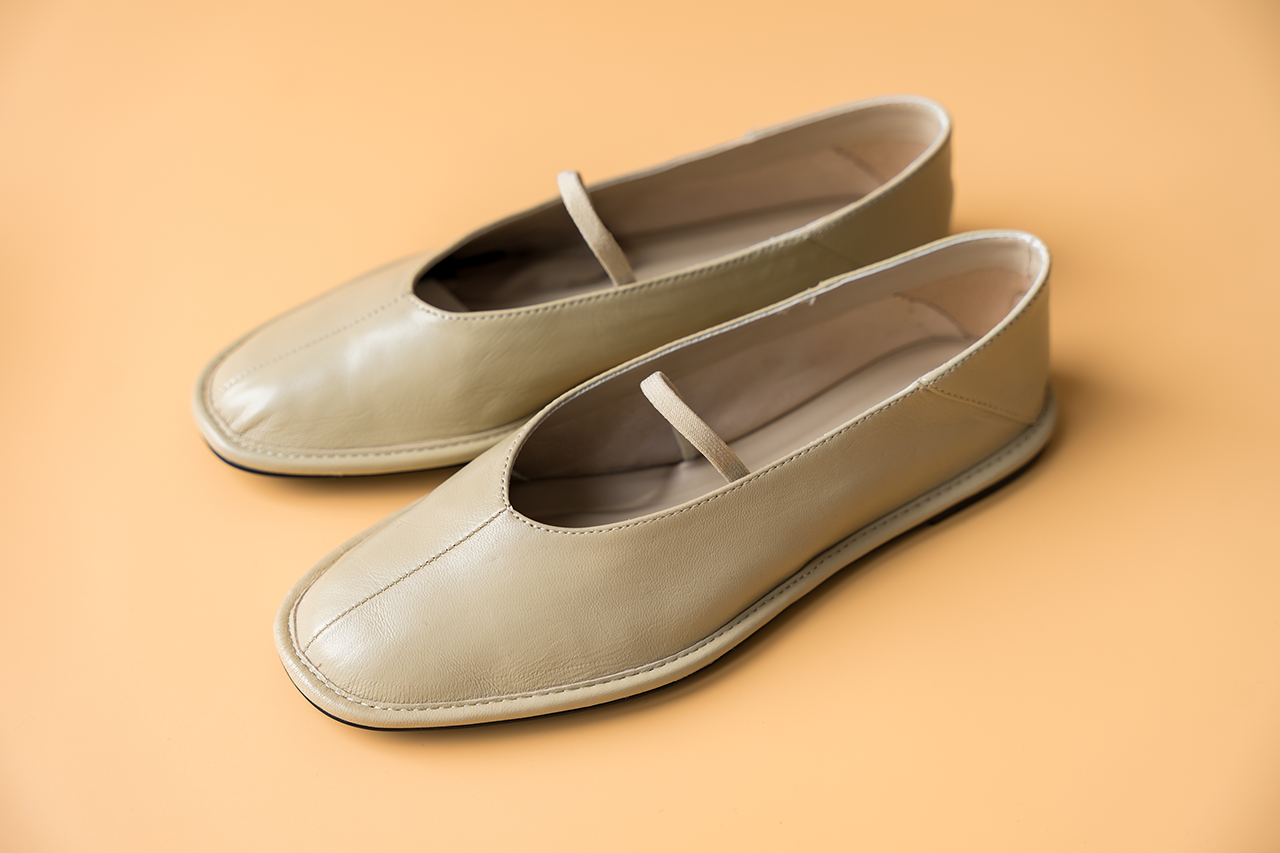
The vamp is the front portion of the shoe — the section covering the top of your foot from the toe box back toward the instep. In loafers specifically, vamp height is everything, because unlike lace-up shoes, there are no adjustment points. The vamp is what keeps the shoe on your foot.
A vamp that's cut too low sits loosely across the top of the foot. The shoe compensates by slipping at the heel, which causes the exact friction pattern described above. Your instinct is to curl your toes slightly to grip the shoe — and that tension, held all day, creates its own type of discomfort along the sole and arch.
A vamp that's cut too high can press on the top of the foot, particularly across the knuckles of the toes, leaving marks and in some cases restricting circulation enough to cause numbness on longer walks.
The right vamp height holds the foot gently at the instep without pressing. When you slip your foot in, the fit should feel snug across the top without any sensation of pressure. You shouldn't feel the edge of the vamp at all — it should simply be there, doing its job quietly.
Here's what makes fit genuinely complex: none of these three features work in isolation.
A shoe with excellent counter stiffness but a low vamp will still cause heel slippage, because the foot isn't anchored at the instep. A generous vamp on a shoe with a poorly finished topline will hold the foot in place but still create a pressure point at the back of the ankle. And wide fit shoes that correctly account for foot width but use the same topline shape as a narrow last often create a gap at the heel that no amount of counter stiffness can solve. This is why wide fit shoes designed specifically around a wider last — rather than simply stretched versions of standard ones — tend to perform so much better for broader feet.
The loafers that genuinely work are the ones where these three elements have been considered together — where the counter is shaped to match the topline height, and the vamp is proportioned to the same last that determined the overall width.
That combination is harder to find than it should be. But it's exactly what separates a pair you wear once and abandon from a pair you reach for automatically.
Most people try on a new pair, take a few steps, and decide based on how they feel in those first thirty seconds. The construction details that cause blisters rarely announce themselves in the first minute.
Instead, before committing to any pair of loafers, do this: press your finger firmly against the inside back edge and feel for any ridge or sharp transition. Slip the shoe on and flex your foot forward several times — notice whether the heel lifts even slightly. Stand on one foot and check whether the vamp feels like it's holding you in or simply resting on top of your foot.
These aren't complicated checks. They take about ninety seconds. And they'll tell you more about a pair's blister potential than any amount of brand reputation or material quality alone.
There's a particular kind of loafer fit that's hard to describe until you've experienced it — where the heel counter holds without pressing, the topline sits invisibly below the ankle, and the vamp anchors the foot without constricting it. You slip them on and there's simply nothing to notice. No adjustment period. No breaking in. Just the quiet feeling of everything being right.
That kind of fit doesn't come from luck or a generous budget. It comes from knowing which construction details matter and how to read them before the pair ever leaves the shop.
Because the best loafers aren't the ones that look the most impressive. They're the ones that your feet forget they're wearing — long after the first hour, the second meeting, and the whole long day.