(678) 999-8212

In Australian workplaces, from busy hospitality kitchens to hospitals, warehouses, and construction sites, choosing the right footwear is a serious safety decision. Slip resistant shoes are designed to reduce the risk of falls on wet, oily, or uneven surfaces, but not all pairs on the market deliver genuine performance. In Australia, where workplace safety standards are strictly enforced and conditions can vary widely, knowing how to shop for authentic options is essential. This guide explains what to look for, which standards matter, and how to avoid misleading claims when buying dependable footwear.
Understand Why Authentic Slip Resistance Matters in Australia
Workplace slips are among the most common causes of injury in Australia, particularly in hospitality, healthcare, cleaning, and industrial environments. Floors exposed to grease, water, or spills require more than ordinary shoes. Authentic slip resistance is engineered through outsole materials, tread patterns, and testing methods that simulate real-world conditions. Choosing the wrong shoe may not only compromise personal safety but also put employers and workers at risk of non-compliance with workplace safety expectations.
When shopping locally, it’s important to consider Australian conditions—hot kitchens, outdoor worksites exposed to rain, and long hours on concrete floors. Footwear marketed without proper testing may look suitable but fail under pressure.
Check Relevant Australian and International Standards
One of the most reliable ways to verify authenticity is by checking compliance with recognised standards. In Australia, safety footwear is commonly assessed under AS 2210.3, which applies to protective shoes used in occupational settings. Many manufacturers also reference international slip testing standards, such as SRC, which evaluate performance on both ceramic tiles with detergent and steel floors with oil.
While not every pair of workwear shoes needs to meet heavy industrial standards, credible brands clearly state which tests their footwear has passed. Be cautious of vague phrases like “anti-slip” or “grip sole” without supporting certification or test data. Legitimate safety footwear suppliers operating in Australia usually provide documentation or clear labelling.
Examine Outsole Design and Materials
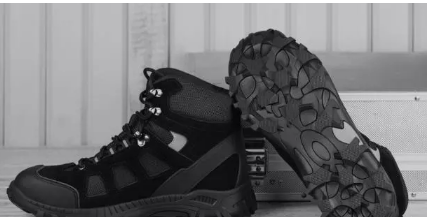
Beyond labels, the physical construction of the shoe offers important clues. Authentic slip resistance typically comes from rubber or polyurethane outsoles specifically formulated for grip. These materials maintain traction even when exposed to moisture or oils, unlike basic EVA soles often found in casual footwear.
Look closely at the tread pattern. Effective designs channel liquids away from the contact surface and maintain consistent contact with the ground. Flat, smooth soles or decorative patterns are red flags, especially for work environments. Trying the shoe in-store and feeling the sole's flexibility and density can help distinguish genuine safety design from standard shoes.
Buy From Trusted Australian Retailers
Where you shop is just as important as what you buy. In Australia, specialist safety footwear retailers, uniform suppliers, and reputable online stores are more likely to stock authentic products. These sellers understand local compliance requirements and typically work with established brands.
If purchasing online, check that the retailer has an Australian presence, clear return policies, and detailed product descriptions. Reviews from Australian customers can also provide insight into real-world performance on local surfaces. This is particularly important when investing in slip resistant shoes, as durability and long-term grip are critical factors.
Consider Fit, Comfort, and Job Requirements
Slip resistance alone does not make a shoe suitable for work. Ill-fitting footwear can cause fatigue, reduce stability, and increase the risk of accidents. Australians working long shifts should look for proper arch support, breathable linings, and cushioning suited to hard floors.
Different roles require different features. Hospitality staff may need lightweight shoes with enhanced slip performance, while warehouse workers may require additional toe protection. Matching the shoe to the job ensures that safety features work as intended and that the footwear remains comfortable throughout the day.
Avoid Common Marketing Traps
The Australian market, like many others, is flooded with products that use safety-related language without substance. Words such as “professional,” “work style,” or “non-slip inspired” do not guarantee tested performance. Authentic safety footwear is transparent about how it is made and tested.
Be wary of unusually low prices from unknown brands, especially when buying online. While cost-effective options exist, genuine slip-resistant technology involves materials and testing that incur baseline costs. Comparing products across multiple trusted retailers can help you identify realistic pricing.
Maintain Your Footwear for Ongoing Safety
Even the best-designed shoe can lose its slip resistance over time. Dirt, grease, and wear can reduce outsole performance. Regular cleaning and timely replacement are essential, particularly in demanding Australian workplaces. Employers and workers alike should treat footwear as safety equipment, not a one-time purchase.
By understanding standards, materials, and trusted retail channels, Australians can make informed decisions when shopping for reliable footwear. Choosing the right pair of slip resistant shoes is an investment in safety, compliance, and everyday confidence at work.